
Osnabrück, City of 1 Thaler - Gustav II Adolphus (Death; Swedish occupation)
Description:
1 Thaler 1 Thaler - Gustav II Adolphus (Death; Swedish occupation) coin from Osnabrück, City of. Design, history & value.
[SEO TITLE]: Explore the 1 Thaler Coin of Osnabrück - Gustav II Adolphus 1633 [SEO DESCRIPTION]: Discover the 1633 Osnabrück 1 Thaler coin's history and design. [KEYWORDS]: 1 Thaler coin, Gustav II Adolphus, Osnabrück coin, 1633 Thaler, Swedish occupation coin, historic silver coin, collectible Thaler
Introduction
The 1 Thaler coin issued by the City of Osnabrück in 1633 stands as a remarkable piece of numismatic history. This silver coin commemorates the era of Swedish influence in the region during the tumultuous times of the Thirty Years' War. With its intricate design and historical significance, the 1 Thaler of Gustav II Adolphus captivates both seasoned collectors and history enthusiasts. This article delves into the fascinating aspects of this coin, exploring its historical context, design features, and collectible value.
Historical Background
The 1 Thaler coin was minted in 1633 during a period when the Thirty Years' War was reshaping the political and religious landscape of Europe. Osnabrück, a city in Lower Saxony, Germany, found itself under Swedish occupation, following the strategic military campaigns led by King Gustav II Adolphus of Sweden. This coin not only serves as a testament to the city's temporary integration into the Swedish realm but also commemorates the legacy of Gustav II Adolphus, a pivotal figure celebrated for his military prowess and influence in Protestant Europe. The coin's issuance coincided with the aftermath of Gustav II Adolphus's death in 1632, marking a poignant moment in history. His demise in the Battle of Lützen was a significant turning point in the war, and the coin encapsulates the reverence and memory of the Swedish king's contribution to the Protestant cause.
Coin Images
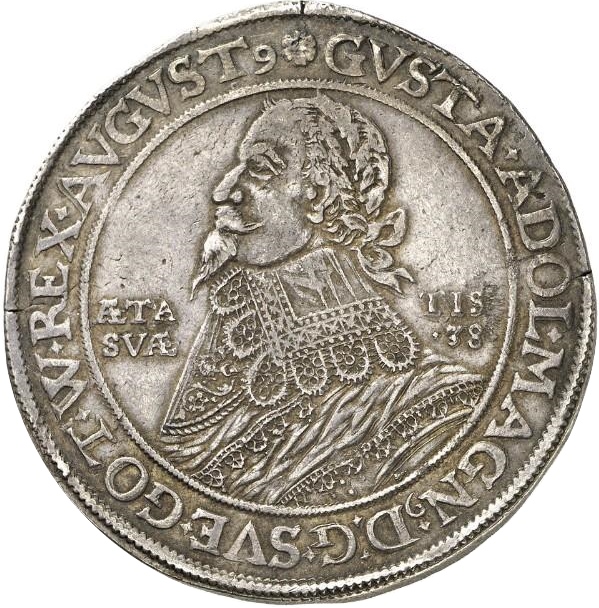 Obverse
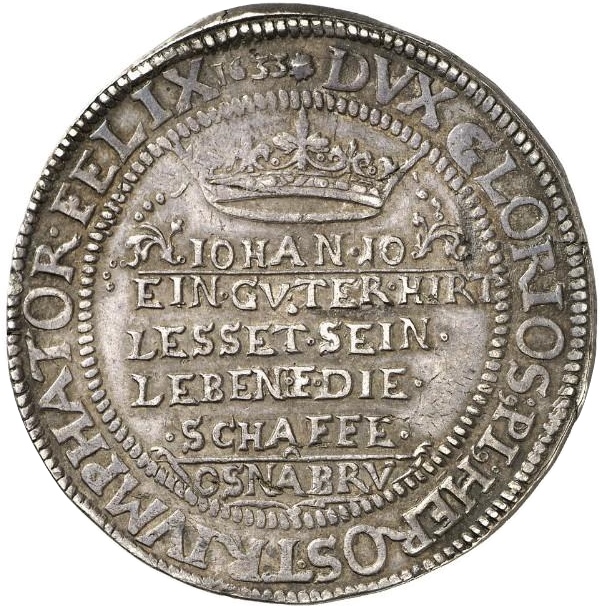 Reverse
Design Features
The 1 Thaler coin of 1633 boasts a design that reflects both artistic and historical narratives.
- Obverse Design: The obverse side features a striking bust of Gustav II Adolphus of Sweden, facing left. This portrait captures the regal bearing and determined visage of the king, a fitting homage to his leadership and impact. The craftsmanship of the bust is a testament to the artistry of the period, offering a detailed representation of the monarch.
- Reverse Design: On the reverse, the coin presents a six-line inscription, crowned with a regal crown, symbolizing authority and sovereignty. The date of issuance is prominently displayed at the top within the legend, anchoring the coin in its historical context. This design element not only serves aesthetic purposes but also reinforces the coin's commemorative nature.
Technical Specifications
The 1 Thaler coin is composed of silver, a common choice for high-denomination currency of the era, ensuring both durability and intrinsic value. While specific dimensions may vary due to minting variances, the typical Thaler of this period would have a diameter of approximately 40 mm and a weight of around 28 grams. These specifications underscore the coin's substantial presence and its role as a significant medium of exchange.
Collectible Value
For coin collectors, the 1 Thaler of Gustav II Adolphus is a treasure trove of historical and monetary value. Its rarity is underscored by its limited mintage during a brief period of Swedish occupation, making it a sought-after piece for enthusiasts of European history and numismatics. The coin's condition, provenance, and historical context all contribute to its market value, with well-preserved examples fetching premium prices at auctions and private sales. Beyond its monetary worth, the coin offers a tangible connection to a pivotal era in European history. Collectors value it not only as a piece of currency but also as a symbol of the shifting allegiances and cultural exchanges that characterized the Thirty Years' War.
Conclusion
The 1 Thaler coin issued by the City of Osnabrück in 1633 is more than just a piece of silver; it is a narrative of war, influence, and artistry. As a collectible, it holds significant allure for those interested in the intricate tapestry of European history and the numismatic art of the 17th century. Whether viewed as an investment or a historical artifact, this coin remains a valuable testament to the legacy of Gustav II Adolphus and the era he helped shape.

ScanMyCoin: AI Coin Recognition
Professional AI coin recognition and collection management platform. Identify, learn, and track your coin collection with advanced AI technology and a vast.