
Macedonia, Kingdom of Tetradrachm - Demetrius I Poliorcetes (Amphipolis)
Description:
Tetradrachm Tetradrachm - Demetrius I Poliorcetes (Amphipolis) coin from Macedonia, Kingdom of. Design, history & value.
[SEO TITLE]: Discover the Tetradrachm of Demetrius I Poliorcetes from Macedonia [SEO DESCRIPTION]: Explore the silver Tetradrachm of Demetrius I, a Macedonian numismatic treasure. [KEYWORDS]: Tetradrachm, Demetrius I Poliorcetes, Macedonia, silver coin, Amphipolis, ancient coins, numismatics
Introduction
The Tetradrachm of Demetrius I Poliorcetes is a remarkable piece of numismatic history, hailing from the ancient Kingdom of Macedonia. This silver coin, known for its intricate design and historical significance, offers a glimpse into the era of one of the most intriguing rulers of ancient Macedonia. As a symbol of power and artistry, the Tetradrachm is not only a collector's dream but also a vital link to understanding the socio-political dynamics of the Hellenistic period.
Historical Background
Demetrius I, nicknamed "Poliorcetes" or "the Besieger," was a prominent figure in the Hellenistic world, known for his military campaigns and his role in the Diadochi Wars following the death of Alexander the Great. The Tetradrachm, minted in Amphipolis, symbolizes the might and influence of his reign. It was during this time that the kingdom saw a surge in artistic expression and military prowess. Coins like the Tetradrachm were not only mediums of exchange but also tools of propaganda, showcasing the ruler's divine association and military achievements.
Coin Images
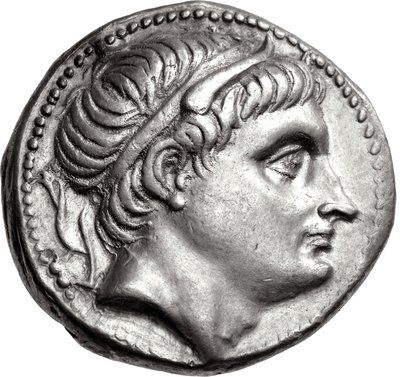 Obverse
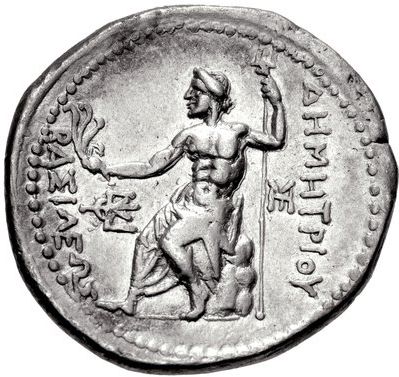 Reverse
Design Features
The Tetradrachm's design is a testament to the artistic excellence of its time. On the obverse, the coin features the diademed and horned head of Demetrius I facing right. The horns are symbolic of divinity, often associated with Alexander the Great and deities, thereby reinforcing Demetrius's claim to power and divine favor. On the reverse, the coin depicts Poseidon Pelagaios, the god of the sea, seated left on a rock. He holds an aphlaston in his extended right hand and a trident in his left, symbols of naval supremacy and control over the seas. The inclusion of Poseidon emphasizes Demetrius's naval victories and his title as the "Master of the Sea." Flanking the god are intricate monograms, highlighting the craftsmanship and attention to detail of the era.
Technical Specifications
The Tetradrachm of Demetrius I is composed of silver, a common medium for high-denomination coins of the era. It weighs approximately 16.93 grams and measures 28.00 mm in diameter. These specifications are typical for tetradrachms, which were large and substantial, reflecting their value and importance in trade and commerce.
Collectible Value
In the modern numismatic market, the Tetradrachm of Demetrius I is highly sought after by collectors and historians alike. Its rarity and historical context contribute significantly to its value. Well-preserved examples can fetch high prices at auctions, especially those with clear and detailed imprints. The coin's condition, provenance, and any documented historical significance can further enhance its market value. Collectors prize this coin not only for its historical and artistic significance but also for its role in the broader narrative of Hellenistic coinage. The Tetradrachm represents a period of transition and turmoil, making it a fascinating subject for study and collection.
Conclusion
The Tetradrachm of Demetrius I Poliorcetes is more than just a piece of ancient currency; it is a window into the past, offering insights into the political, cultural, and artistic achievements of ancient Macedonia. Its detailed design and historical context make it an invaluable asset for collectors and historians. Whether you are a seasoned numismatist or a curious history enthusiast, this coin provides a tangible connection to the rich tapestry of human history and the legacy of one of its most intriguing rulers.

ScanMyCoin: AI Coin Recognition
Professional AI coin recognition and collection management platform. Identify, learn, and track your coin collection with advanced AI technology and a vast.