
Macedonia, Kingdom of Tetradrachm - Demetrius I Poliorcetes (Amphipolis)
Description:
Tetradrachm Tetradrachm - Demetrius I Poliorcetes (Amphipolis) coin from Macedonia, Kingdom of. Design, history & value.
Introduction
The Tetradrachm of Demetrius I Poliorcetes from the Kingdom of Macedonia stands as a remarkable testament to the rich history and numismatic artistry of ancient Greece. Struck in Amphipolis, this coin is more than just a piece of silver; it is a window into the era of one of Macedonia's most intriguing rulers. With its exquisite design and historical significance, the Tetradrachm captivates both seasoned numismatists and casual collectors alike.
Historical Background
Demetrius I Poliorcetes, known as "The Besieger," reigned during a tumultuous period marked by military campaigns and political maneuvering. As a prominent figure in the Hellenistic world, Demetrius sought to expand his influence across the Mediterranean. The issuance of the Tetradrachm coinage in Amphipolis not only served as a medium of economic exchange but also as a tool for asserting his power and legacy. The coin bears witness to the grandeur and ambition of Demetrius's reign, capturing a moment in history where coinage was used as both currency and propaganda.
Coin Images
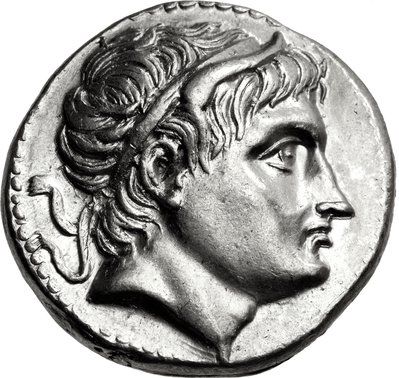 Obverse
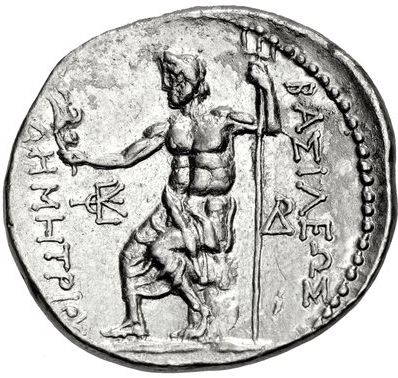 Reverse
Design Features
The Tetradrachm of Demetrius I is celebrated for its detailed and symbolically rich designs. On the obverse, the coin features a diademed and horned head of Demetrius facing right. This portrayal is not merely a depiction of the king but a statement of divine association, as the horns indicate a connection to Zeus Ammon, suggesting Demetrius's semi-divine status. The reverse of the coin is equally striking, showcasing Poseidon Pelagaios seated to the left on a rock. In his extended right hand, he holds an aphlaston, a symbol linked to naval prowess, while a trident is grasped in his left, further emphasizing the maritime strength and aspirations of Demetrius's reign. The monograms located to the inner left and right of the design add an additional layer of intrigue, representing mint marks or specific issues.
Technical Specifications
The Tetradrachm is a substantial coin, with a weight of 17.15 grams and a diameter of 29.50 millimeters. Crafted from high-quality silver, the coin reflects the wealth and resources of the Macedonian Kingdom during Demetrius's rule. The choice of silver not only adds to the coin's aesthetic appeal but also to its durability, ensuring that it has survived through the centuries as a valuable artifact.
Collectible Value
For collectors, the Tetradrachm of Demetrius I Poliorcetes is a prized acquisition, renowned for its artistic merit and historical depth. The coin's market value can vary significantly based on its condition, provenance, and rarity. Pristine examples with clear designs and little wear are particularly sought after, commanding higher prices at auctions and in private sales. The Tetradrachm's rarity and connection to a pivotal figure in Hellenistic history make it a central piece in any collection of ancient coins.
Conclusion
The Tetradrachm of Demetrius I Poliorcetes is more than mere currency; it is a symbol of a bygone era, encapsulating the power, artistry, and historical narrative of the Macedonian Kingdom. Whether appreciated for its intricate design, its historical context, or its collectible value, this coin continues to fascinate and inspire. As both a relic of ancient Greece and a masterpiece of numismatic art, the Tetradrachm remains a tangible link to a world where coins were conduits of power and identity.

ScanMyCoin: AI Coin Recognition
Professional AI coin recognition and collection management platform. Identify, learn, and track your coin collection with advanced AI technology and a vast.