

Germany (1871-1948) 5 Reichsmark (Pattern)
Description:
5 Marks 5 Reichsmark (Pattern) coin from Germany (1871-1948). Design, history & value.
Introduction
The 5 Reichsmark coin from 1926 is a fascinating piece of numismatic history from Germany, capturing a transitional period in the nation's monetary system. This particular pattern coin, struck in silver, stands out not only for its design but also for its historical significance. This article delves into the unique attributes of this coin and its place in the world of coin collecting.
Historical Background
The 5 Reichsmark coin was issued during a time of economic and political change in Germany. Following the hyperinflation crisis of the early 1920s, the country sought to stabilize its economy and currency. The Reichsmark became the standard unit of currency, replacing the Papiermark. The 1926 5 Reichsmark pattern coin, although never circulated, was part of efforts to explore new designs and compositions for German coinage. Issued by the German government between 1871 and 1948, this coin represents a period of experimentation before the onset of World War II.
Coin Images
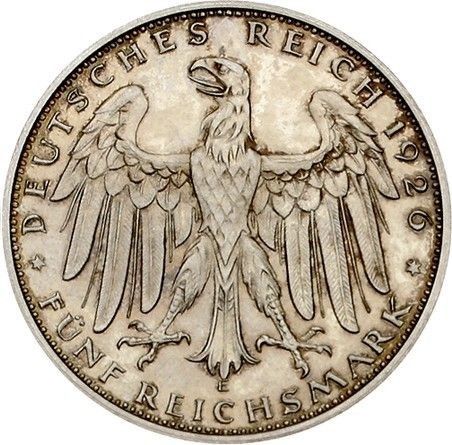 Obverse
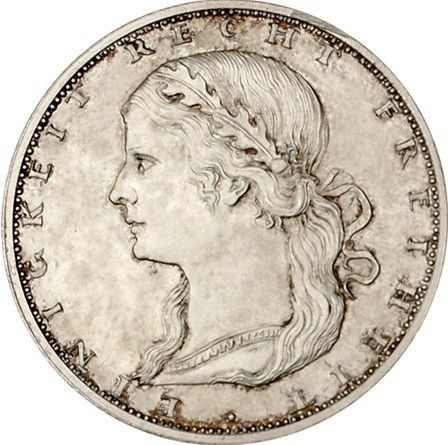 Reverse
Design Features
Obverse Design
The obverse of the 5 Reichsmark features a striking image of the German Eagle, gracefully poised to the left. The eagle, a symbol of strength and unity, was a common motif in German heraldry and numismatics, making the coin instantly recognizable and emblematic of German sovereignty.
Reverse Design
On the reverse, the coin displays an elegant female bust facing left. This depiction is both artistic and symbolic, reflecting the cultural and aesthetic values of the era. The design is finely detailed, capturing the grace and poise of the figure, and represents a departure from more traditional numismatic imagery.
Technical Specifications
The 5 Reichsmark coin is notable for its impressive technical specifications. It is composed of 50% silver, weighing 25.30 grams, with a diameter of 36.25 mm. These dimensions are significant for collectors, as they reflect the coin's substantial presence and intrinsic value. The silver composition also adds to its allure, offering both historical and material worth.
Collectible Value
The rarity and historical context of the 1926 5 Reichsmark coin make it a prized collectible. As a pattern coin, it was not mass-produced, which enhances its scarcity and appeal among numismatists. Its market value can vary significantly based on condition, provenance, and demand. Collectors often seek these coins for their rarity and the glimpse they offer into Germany's numismatic past.
Conclusion
The 1926 5 Reichsmark silver pattern coin is more than just a piece of currency; it is a window into a pivotal moment in Germany's history. Its unique design, coupled with its historical and collectible significance, makes it a standout piece for any coin collection. Whether you are a seasoned numismatist or a casual collector, the 5 Reichsmark coin offers a rich narrative and a tangible connection to the past.

ScanMyCoin: AI Coin Recognition
Professional AI coin recognition and collection management platform. Identify, learn, and track your coin collection with advanced AI technology and a vast.