

Germany (1871-1948) 5 Reichsmark (Pattern)
Description:
5 Marks 5 Reichsmark (Pattern) coin from Germany (1871-1948). Design, history & value.
[SEO TITLE]: Germany 5 Reichsmark Pattern Coin - A Collector's Treasure [SEO DESCRIPTION]: Discover the history and value of the 1926 German 5 Reichsmark coin. [KEYWORDS]: Germany 5 Reichsmark, 1926 coin, German Eagle coin, silver coin, numismatic value, collectible coin, pattern coin
Introduction
The 1926 Germany 5 Reichsmark Pattern coin is a captivating piece for numismatists and history enthusiasts alike. As a pattern coin, it offers a unique glimpse into the era's currency experimentation and design. This coin stands out not only for its historical context but also for its remarkable artistic features and silver composition.
Historical Background
The 5 Reichsmark Pattern coin was issued in 1926 during a turbulent period in Germany's history. The years between 1871 and 1948 saw significant political and economic changes in Germany, particularly following World War I. The Weimar Republic, which governed Germany during the issuance of this coin, was marked by economic hardships and efforts at stabilization. The 5 Reichsmark coin was part of a broader effort to solidify economic confidence through the introduction of reliable currency, although this particular piece never saw widespread circulation, being a pattern coin. Pattern coins like this one were often struck as trial pieces to evaluate new designs or compositions. They offer valuable insights into the coinage practices and economic considerations of the time.
Coin Images
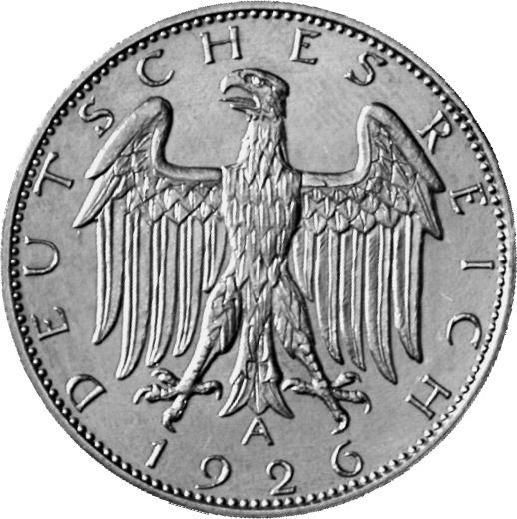 Obverse
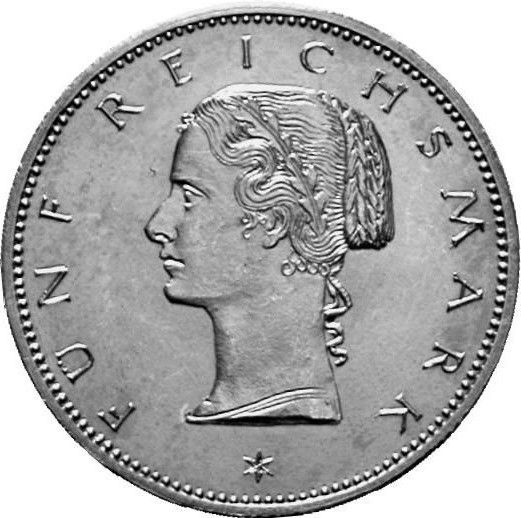 Reverse
Design Features
Obverse Design
The obverse of the 1926 5 Reichsmark Pattern coin showcases the iconic German Eagle, a symbol of national pride and sovereignty. The eagle is depicted facing left, with finely detailed plumage that exemplifies the artistic craftsmanship of the era. The use of the eagle motif ties the coin to Germany's rich heraldic tradition, reinforcing its national significance.
Reverse Design
On the reverse side, the coin features a female bust facing left. This design element is indicative of the era's artistic influences and perhaps symbolizes liberty or the personification of the nation itself. The intricate detailing of the bust highlights the skill of the engravers and the aesthetic standards of the Weimar period.
Technical Specifications
The 5 Reichsmark Pattern coin is composed of .500 fine silver, giving it both intrinsic and collectible value. It weighs 25.30 grams and has a diameter of 36.25 mm, reflecting the substantial nature of currency from the period. These specifications not only make the coin an attractive addition to any collection but also a tangible piece of history. The silver content further enhances its appeal, especially for collectors interested in precious metal coins.
Collectible Value
As a pattern coin, the 1926 5 Reichsmark is not just a monetary artifact but a piece of numismatic history. Its rarity and the fact that it was never circulated amplify its allure among collectors. The market value of this coin can vary significantly based on its condition, provenance, and the current demand among collectors. Coins in pristine condition or with a verified history tend to achieve higher prices at auctions and among private collectors. The historical significance of the coin, coupled with its distinctive design and limited availability, makes it a sought-after collectible. For numismatists, it represents a unique opportunity to own a piece of the complex economic narrative of early 20th-century Germany.
Conclusion
The 1926 Germany 5 Reichsmark Pattern coin is a remarkable artifact that encapsulates a pivotal moment in history. Its intricate design, silver composition, and status as a pattern coin contribute to its extraordinary value and appeal. For collectors and historians, it offers not only a glimpse into the past but also a tangible connection to the cultural and economic shifts of the Weimar Republic era. Whether you are a seasoned numismatist or a history enthusiast looking to broaden your collection, this coin is undoubtedly a treasure worth pursuing.

ScanMyCoin: AI Coin Recognition
Professional AI coin recognition and collection management platform. Identify, learn, and track your coin collection with advanced AI technology and a vast.