
Germany (1871-1948) 5 Reichsmark (Pattern)
Description:
5 Marks 5 Reichsmark (Pattern) coin from Germany (1871-1948). Design, history & value.
[SEO TITLE]: Germany 5 Reichsmark Pattern Coin: A Rare 1926 Treasure [SEO DESCRIPTION]: Discover the unique 1926 Germany 5 Reichsmark coin. [KEYWORDS]: Germany 5 Reichsmark, 1926 coin, German silver coin, rare coin, numismatics, coin collecting, German currency
Germany 5 Reichsmark Pattern Coin: A Rare 1926 Treasure
Introduction
The 1926 Germany 5 Reichsmark Pattern coin stands as a remarkable piece of numismatic history, capturing the economic and cultural essence of Germany during a transformative era. This coin is not only a testament to the precision and artistry of German minting but also a reflection of the socio-political climate of the time. Its limited mintage and distinctive design make it a prized possession for collectors and historians alike.
Historical Background
The issuance of the 5 Reichsmark Pattern coin in 1926 occurred during the Weimar Republic, a period marked by economic turmoil and political instability in Germany. This was a time when the nation was grappling with the aftermath of World War I and the constraints of the Treaty of Versailles. The introduction of this coin was part of an effort to stabilize the economy and restore confidence in the national currency. The Reichsmark was reinstated as Germany's official currency in 1924, replacing the Papiermark, and this 5 Reichsmark Pattern was an experimental issue that never entered general circulation, making it an intriguing historical artifact.
Coin Images
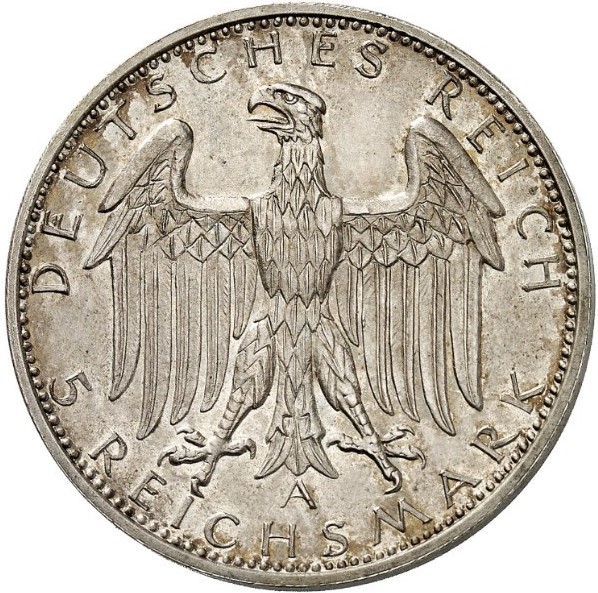 Obverse
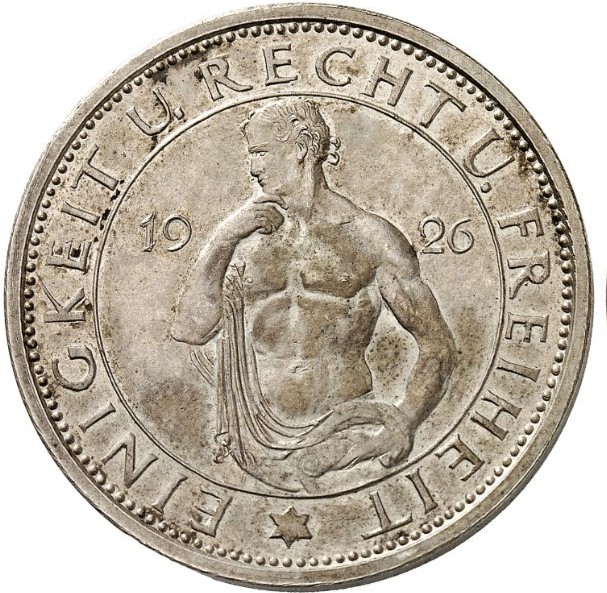 Reverse
Design Features
The design of the 1926 5 Reichsmark Pattern coin is both symbolic and artistic, with intricate details that showcase the craftsmanship of the era. Obverse Design: The obverse features a stylized eagle facing left, a potent national emblem that signifies strength and sovereignty. The eagle is meticulously detailed, with each feather etched to perfection, symbolizing the resilience of the German state. Reverse Design: On the reverse, a worker facing left is depicted, reflecting the importance of labor and industry in post-war Germany. This imagery resonates with the country's efforts to rebuild and modernize its economy, underscoring the vital role of the working class during this period of recovery.
Technical Specifications
The 5 Reichsmark Pattern coin is crafted from silver with a fineness of .500, weighing 25.21 grams and measuring 36.25 millimeters in diameter. These specifications are a testament to the coin's solid and substantial nature, typical of German minting standards of the time. The coin's composition and size not only enhance its aesthetic appeal but also contribute to its durability, ensuring its preservation over the decades.
Collectible Value
As a pattern coin, the 1926 5 Reichsmark holds significant value in the numismatic market. Its rarity, coupled with its historical and artistic significance, makes it a coveted piece for collectors. Despite its limited issuance, when available, the coin commands a premium price, reflecting its desirability and the demand among enthusiasts and historians. The rarity of this coin is further amplified by its condition and provenance, with well-preserved specimens fetching higher prices at auctions and private sales. Its status as a pattern coin also adds an element of exclusivity, attracting those who seek unique and historical numismatic treasures.
Conclusion
The 1926 Germany 5 Reichsmark Pattern coin is a remarkable piece of numismatic art that embodies a significant period in German history. Its unique design, coupled with its historical context, makes it a valuable asset for collectors and a fascinating subject for historical study. Whether viewed as a piece of art or a tangible link to the past, this coin continues to captivate and inspire, ensuring its place in the annals of numismatic history.

ScanMyCoin: AI Coin Recognition
Professional AI coin recognition and collection management platform. Identify, learn, and track your coin collection with advanced AI technology and a vast.