

Germany (1871-1948) 5 Reichsmark (Pattern)
Description:
5 Marks 5 Reichsmark (Pattern) coin from Germany (1871-1948). Design, history & value.
[SEO TITLE]: Germany 5 Reichsmark Coin (1926): A Numismatic Treasure [SEO DESCRIPTION]: Discover the 1926 Germany 5 Reichsmark coin, a rare silver pattern. [KEYWORDS]: Germany coins, 5 Reichsmark, 1926 coin, German silver coin, numismatics, coin collecting, Reichsmark pattern
Introduction
The 1926 Germany 5 Reichsmark coin stands as a numismatic marvel, representing a unique period in German history. This pattern coin, issued by Germany between 1871 and 1948, is not just a piece of currency but a historical artifact that reflects the socio-political climate of its time. With its limited issuance and distinct design, this coin remains a coveted piece for collectors worldwide. The blend of historical significance, artistic design, and the allure of rarity makes the 1926 5 Reichsmark an essential addition to any serious coin collection.
Historical Background
The 5 Reichsmark coin emerged during a turbulent period in German history. In 1926, Germany was navigating the aftermath of World War I and the economic challenges of the Weimar Republic. This coin was part of a series of pattern coins produced as Germany was experimenting with new monetary designs to stabilize its economy. Although it was never released for general circulation, the 5 Reichsmark serves as a window into an era marked by change and innovation. Its issuance by Germany during this era underscores the nation's attempt to redefine its identity and economy through numismatics.
Coin Images
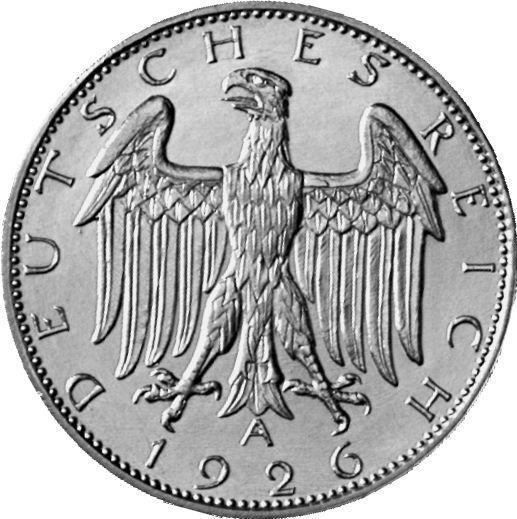 Obverse
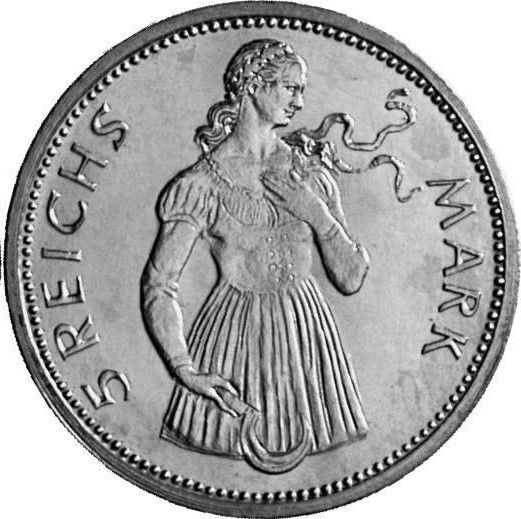 Reverse
Design Features
Obverse Design
The obverse of the 1926 5 Reichsmark features the iconic German Eagle, a symbol of strength and unity. The eagle is depicted facing left, showcasing its majestic wings and sharp features. This design choice is significant, as the eagle has long been a national emblem representing power and sovereignty in German heraldry. Its inclusion on the coin reflects the nation's desire to project stability and resilience during a period of economic recovery.
Reverse Design
The reverse of the coin presents a striking image of a woman holding a sickle, facing right. This imagery is rich with symbolism, representing agriculture and the working class, crucial elements in Germany's economic structure at the time. The sickle signifies labor and harvest, echoing themes of renewal and productivity. This design not only highlights the importance of agriculture in the national economy but also serves as a tribute to the hardworking citizens contributing to the nation's recovery.
Technical Specifications
The 1926 5 Reichsmark coin possesses precise technical specifications that enhance its appeal among collectors:
- Composition: Silver (.500)
- Weight: 25.41 grams
- Diameter: 36.25 millimeters These specifications align with standard practices of the era for high-denomination coins, ensuring durability and intrinsic value. The silver content, in particular, adds to the coin's desirability, offering both historical and material worth.
Collectible Value
The 1926 5 Reichsmark is considered a rare and valuable piece in the realm of numismatics. As a pattern coin, its limited production run means that few examples exist, increasing its rarity and desirability among collectors. The market value of this coin can vary significantly based on its condition, provenance, and presence of any unique features. On numismatic platforms and auctions, well-preserved specimens can command premium prices, reflecting their historical importance and scarcity. The coin's collectible value is further enhanced by its connection to a pivotal time in German history. For collectors, owning a 5 Reichsmark from 1926 is akin to holding a piece of the past, a tangible link to the narratives of economic reform and national identity.
Conclusion
In summary, the 1926 Germany 5 Reichsmark coin is a fascinating artifact that offers insights into the historical and economic landscape of post-World War I Germany. Its exquisite design, embodying strength and productivity, alongside its technical precision, makes it a standout piece for collectors and history enthusiasts alike. As a rare pattern coin, it not only holds intrinsic value through its silver content but also carries immense historical significance. Whether you're a seasoned numismatist or a casual collector, the 5 Reichsmark represents a unique opportunity to own a piece of Germany's rich numismatic heritage.

ScanMyCoin: AI Coin Recognition
Professional AI coin recognition and collection management platform. Identify, learn, and track your coin collection with advanced AI technology and a vast.