
Germany (1871-1948) 5 Reichsmark (Meissen)
Description:
5 Marks 5 Reichsmark (Meissen) coin from Germany (1871-1948). Design, history & value.
Introduction
The 5 Reichsmark (Meissen) coin stands as a remarkable piece of Germany's numismatic history. Issued in 1929, this coin remains a sought-after item for collectors around the globe. Its unique design elements and historical context make it more than just a currency; it is a piece of art and history encapsulated in silver. This article delves into the coin's significance, aesthetic features, and collectible value, offering a comprehensive guide for both seasoned numismatists and curious newcomers.
Historical Background
The 5 Reichsmark coin was minted during a turbulent period in Germany's history, under the Weimar Republic. The year 1929 is emblematic of both economic strife and artistic expression in Germany, marking the onset of the Great Depression, which had far-reaching effects across the globe. Despite economic challenges, Germany continued to produce coins that were not only functional but also artistically significant. The Meissen coin is a testament to the country's rich cultural and historical legacy, reflecting the resilience and creativity of the era.
Coin Images
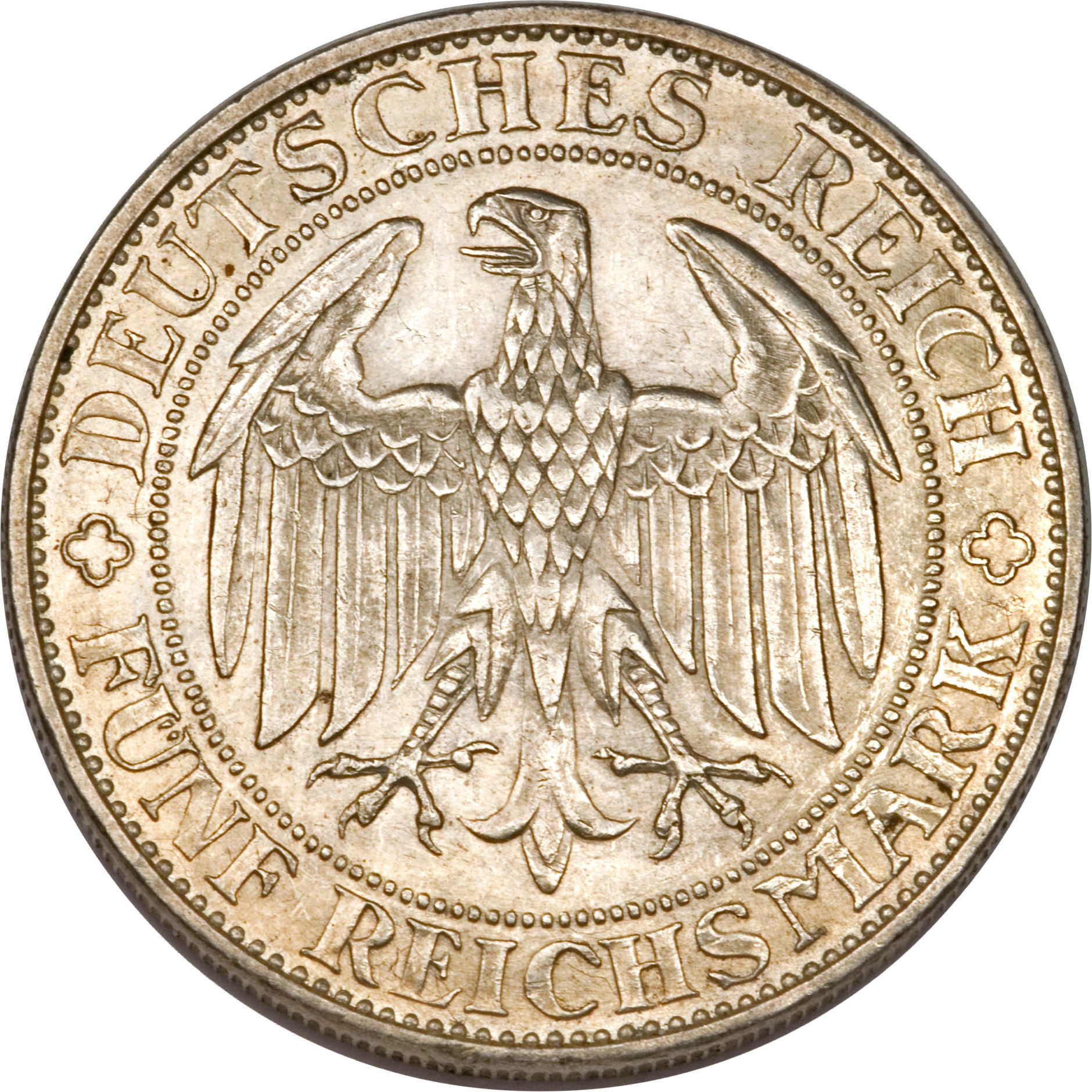 Obverse
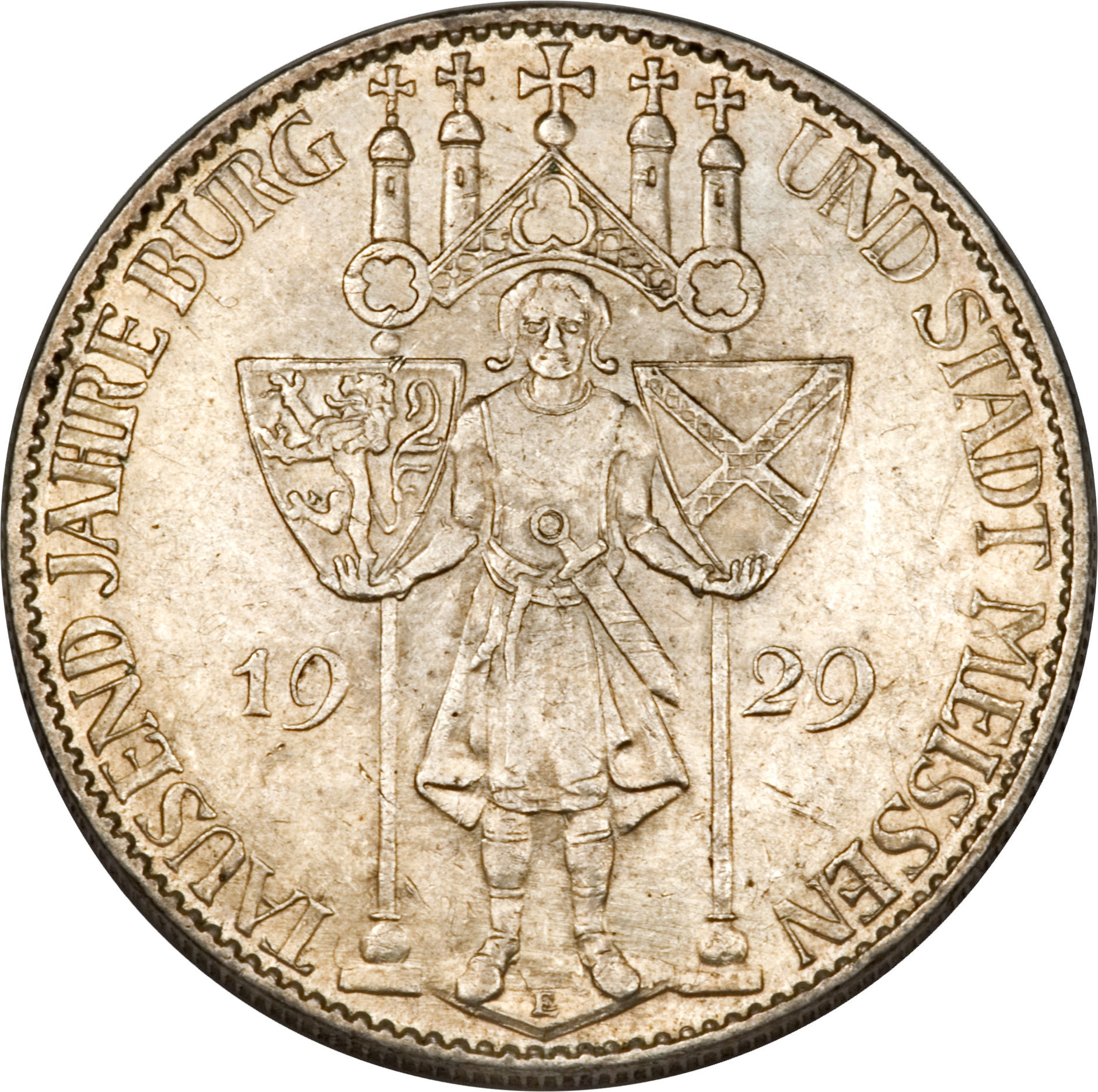 Reverse
Design Features
The 5 Reichsmark (Meissen) coin is celebrated for its intricate and symbolic design.
- Obverse Design: At the heart of the obverse is the majestic imperial eagle, a powerful symbol of Germany. Encircling the eagle is the coin's legend, which provides a regal and authoritative appearance. This design resonates with Germany's national pride and sovereignty.
- Reverse Design: The reverse side showcases a soldier supporting two shields, effectively dividing the date into two parts. This imagery is surrounded by a legend, reinforcing the coin's historical context and significance. The soldier motif reflects themes of strength and protection, prevalent in the post-World War I era.
Technical Specifications
Understanding the technical specifications of the 5 Reichsmark coin is crucial for collectors:
- Composition: The coin is struck in silver with a .500 purity, offering both aesthetic appeal and intrinsic value.
- Weight: It weighs 25.00 grams, making it substantial in hand and indicative of the era's coinage standards.
- Diameter: With a diameter of 36.00mm, the coin has a prominent presence, suitable for detailed design work. These specifications not only highlight the coin's physical attributes but also its adherence to the era's minting standards, enhancing its numismatic value.
Collectible Value
The 5 Reichsmark (Meissen) coin is a prized item among collectors due to its historical importance and limited mintage. Its market value can vary based on condition, rarity, and demand. Coins in excellent condition or with unique minting marks can fetch higher prices at auctions and among private collectors. The coin's silver content also contributes to its value, providing a tangible asset in addition to its numismatic significance. Collectors appreciate the 5 Reichsmark not only for its aesthetic and historical attributes but also for its role as a tangible link to Germany's past. Its scarcity and the historical context of its issuance make it a valuable addition to any collection, serving as both a conversation piece and an investment.
Conclusion
The 5 Reichsmark (Meissen) coin is more than just a piece of currency; it is a numismatic artifact that embodies the cultural, historical, and artistic essence of Germany in 1929. Its distinct design, technical specifications, and historical context make it an attractive acquisition for collectors and history enthusiasts alike. By understanding the coin's background and appreciating its design, one can truly grasp its significance in the world of numismatics. Whether you are a seasoned collector or a newcomer, the 5 Reichsmark is a coin that offers a unique glimpse into Germany's storied past.

ScanMyCoin: AI Coin Recognition
Professional AI coin recognition and collection management platform. Identify, learn, and track your coin collection with advanced AI technology and a vast.