

Uncertain Lesbos city Stater
Description:
Silver Stater Stater coin from Uncertain Lesbos city. Design, history & value.
Introduction
The Silver Stater from an uncertain city in Lesbos stands as a testament to the rich and varied history of ancient Greek numismatics. This intriguing coin, composed primarily of billon, offers a fascinating glimpse into the artistic and cultural values of its time. With its notable design featuring the head of Gorgoneios on the obverse and an incuse square on the reverse, this coin is not only a piece of currency but also a work of art that reflects the mythology and craftsmanship of ancient civilizations. For collectors and history enthusiasts alike, the Silver Stater from Lesbos is a must-explore piece due to its historical significance and unique features.
Historical Background
Lesbos, an island in the northeastern Aegean Sea, has a storied past that dates back to antiquity. Although the specific city of issuance for this Silver Stater remains uncertain, the region was known for its vibrant culture and significant contributions to Greek civilization. During the period of its minting, coins served both as a medium of exchange and a tool of propaganda, often bearing icons and symbols that conveyed power and divine favor. The presence of the Gorgoneios on the obverse suggests an intention to invoke protection and awe, capitalizing on the mythological power associated with the Gorgon's image. This coin, therefore, provides invaluable insights into the historical and cultural context of ancient Lesbos.
Coin Images
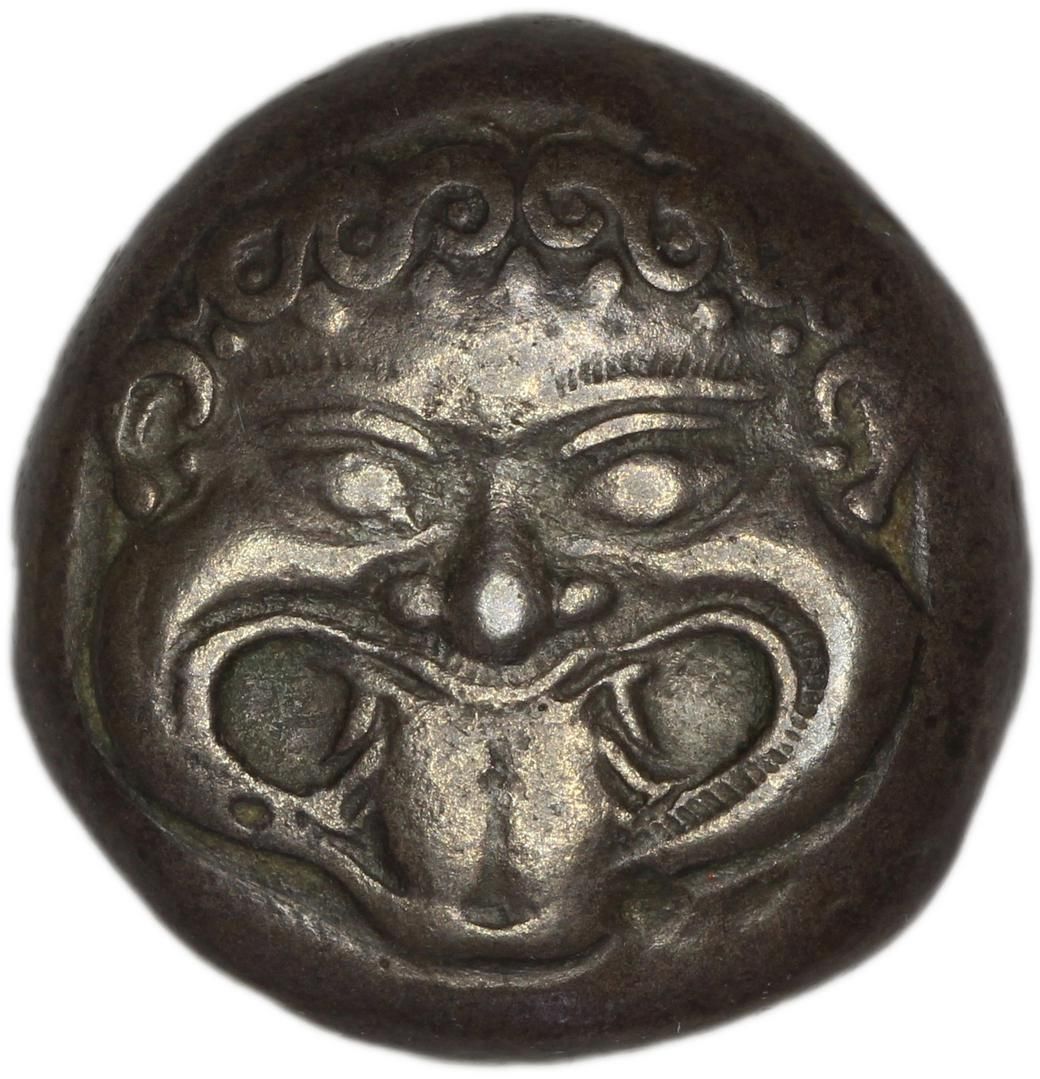 Obverse
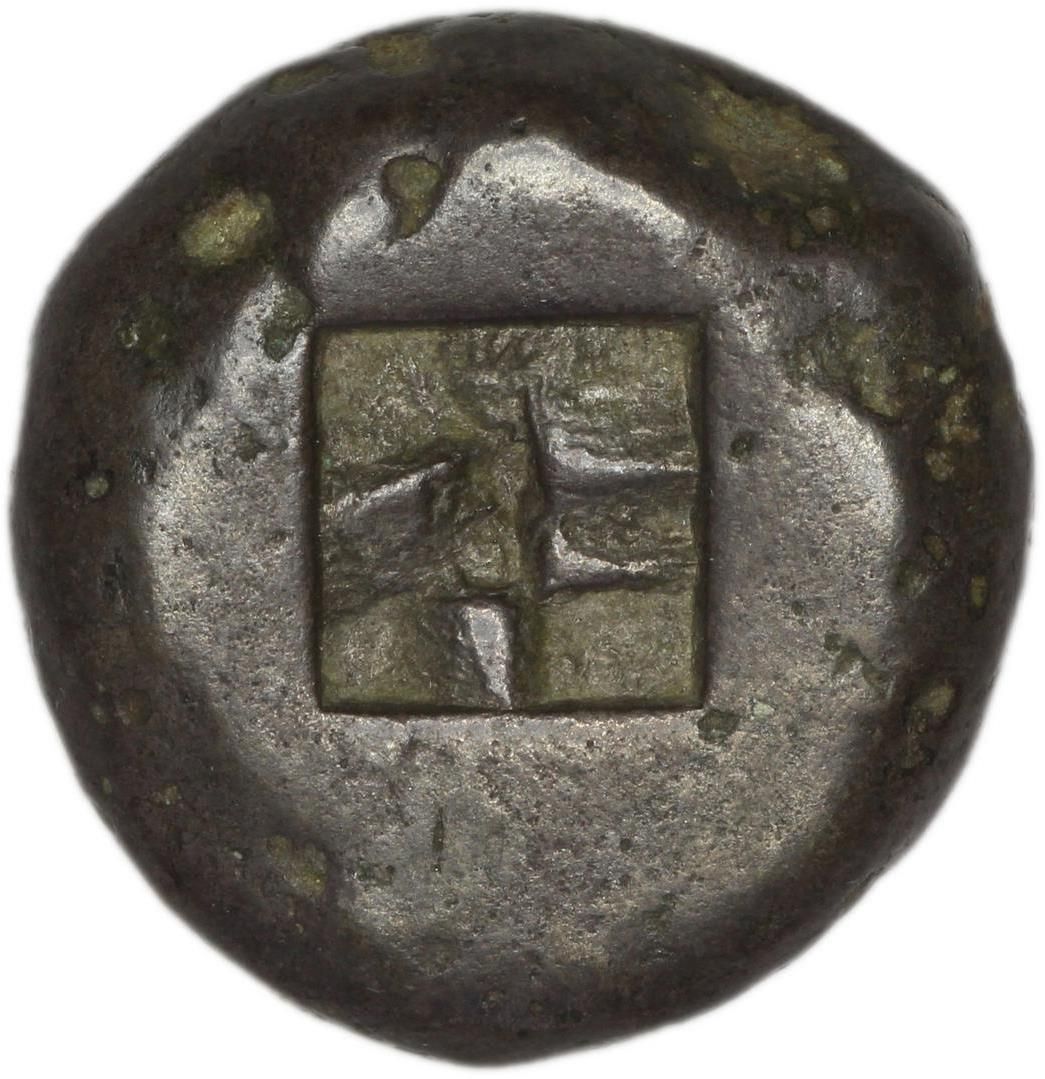 Reverse
Design Features
Obverse Design: The obverse of the Silver Stater features the head of Gorgoneios, a creature from Greek mythology known for its petrifying gaze. This design choice is emblematic of the protective and apotropaic qualities attributed to the Gorgon. The depiction is both intricate and stylized, capturing the essence of fear and fascination that the Gorgon held in ancient Greek culture. Reverse Design: The reverse of the coin displays an incuse square, a common feature in early Greek coinage that often served to balance the coin's composition and provide additional structural integrity. The simplicity of the incuse contrasts with the ornate obverse, offering a balanced aesthetic that is both functional and visually appealing.
Technical Specifications
The Silver Stater from Lesbos has specific physical attributes that make it distinguishable. It weighs approximately 14.38 grams, with a diameter of around 21.00mm. Composed of billon, a silver and base metal alloy, this coin reflects the metallurgical practices of its time. The use of billon suggests both a consideration for cost-effectiveness and a desire to maintain the appearance of silver, which was a mark of value and prestige.
Collectible Value
For collectors, the Silver Stater from Lesbos holds significant allure due to its rarity and the mystery surrounding its origin. The uncertain city of issuance adds an element of intrigue, making it a valuable piece for those interested in the diverse history of Greek coinage. The market value of such coins can vary widely based on their condition, provenance, and the demand among collectors. However, the unique design and historical context often ensure that these coins are highly sought after, fetching considerable interest in numismatic circles.
Conclusion
In summary, the Silver Stater from an uncertain Lesbos city is a remarkable piece of ancient coinage that embodies both artistic excellence and historical depth. Its depiction of Gorgoneios and the use of an incuse square highlight the cultural and functional considerations of its time. For collectors and historians, this coin offers not only a tangible connection to the ancient world but also a compelling narrative of myth, craftsmanship, and economic history. As a collectible, it stands out for its unique features and the mystery that continues to surround its origins, making it a treasured piece in any numismatic collection.

ScanMyCoin: AI Coin Recognition
Professional AI coin recognition and collection management platform. Identify, learn, and track your coin collection with advanced AI technology and a vast.