

Sweden Sweden 2 öre, 1909-1950
Description:
2 öre Sweden 2 öre, 1909-1950 coin from Sweden. Design, history & value.
Introduction
The Sweden 2 öre coin, minted from 1909 to 1950, under the reign of King Gustav V, holds a significant place in Swedish numismatic history. This bronze coin not only reflects the evolving monetary system of Sweden but also showcases the artistic prowess of the era.
Historical Background
Issued by Sweden, the 2 öre coin was a part of the monetary system during the reign of King Gustav V from 1908 to 1950. This period marked a time of transition and modernization for Sweden's currency, with various denominations being minted to facilitate everyday transactions.
Coin Images
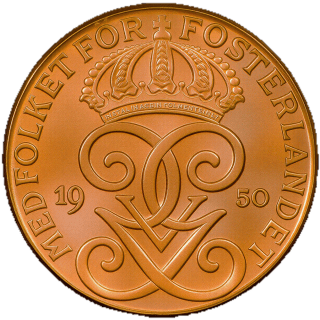 Obverse
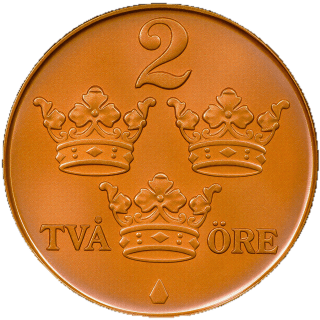 Reverse
Design Features
The obverse of the coin features the monogram "GVG" for Gustav V and the inscription "MED FOLKET FÖR FOSTERLANDET," translating to "With the people for the fatherland." On the reverse side, the denomination "2" and "TVÅ ÖRE" are inscribed, emphasizing the coin's value.
Technical Specifications
- Denomination: 2 öre
- Composition: Bronze
- Weight: 4.00g
- Diameter: 21.00mm
- Issuer: Sweden
- Issuing Authority: Sweden
Collectible Value
The Sweden 2 öre coin, with its historical significance and unique design, is sought after by both coin collectors and enthusiasts of Swedish numismatics. Its bronze composition and connection to King Gustav V add to its appeal, making it a valuable addition to any collection. In terms of market value, the coin's price can vary based on factors such as its condition, rarity, and demand among collectors. Well-preserved specimens from specific years or with minting errors may command higher prices in the numismatic market.
Conclusion
In conclusion, the Sweden 2 öre coin from the era of King Gustav V stands as a testament to Sweden's rich numismatic heritage. Its intricate design, historical significance, and collectible value make it a prized possession for those interested in Swedish coins and the reign of King Gustav V. This coin not only serves as a tangible piece of history but also as a cherished collectible for numismatists worldwide.

ScanMyCoin: AI Coin Recognition
Professional AI coin recognition and collection management platform. Identify, learn, and track your coin collection with advanced AI technology and a vast.