
Spain Spain 2 maravedis, 1816-1833
Posted on: December 2, 2025
keywords: Spain, Spain 2 maravedis, 1816-1833, 2 maravedis, coin collecting, numismatics, Spain
Description:
2 maravedis Spain 2 maravedis, 1816-1833 coin from Spain. Design, history & value.
- Introduction The Spain 2 maravedis coin, struck between 1816 and 1833, holds a significant place in Spanish numismatic history. Featuring the portrait of King Ferdinand VII, this copper coin symbolizes a crucial era in Spain's monetary evolution and political landscape.
- Historical Background During the early 19th century, Spain faced political turmoil and economic challenges, reflected in its coinage. The 2 maravedis coin was part of the Spanish real currency system, denoting a fractional denomination used in daily transactions.
- Design Features The obverse of the coin showcases the inscription "FERDIN VII D G HISP REX," identifying King Ferdinand VII as the ruler of Spain. On the reverse side, various symbols or a wreath motif add to the coin's aesthetic appeal and historical context.
- Technical Specifications This coin weighs 2.40 grams and has a diameter of 20.00mm. Crafted from copper, it reflects the prevalent metal choice for lower denomination coins during that period, emphasizing durability and cost-effectiveness.
- Collectible Value Due to its historical significance and limited mintage period, the Spain 2 maravedis coin has garnered interest among collectors worldwide. Its value may vary based on factors such as condition, rarity, and demand within the numismatic market.
- Conclusion In conclusion, the Spain 2 maravedis 1816-1833 copper coin serves as a tangible link to Spain's past, offering collectors a glimpse into the country's numismatic heritage. Its unique design, historical context, and collectible appeal make it a prized addition to any numismatist's collection.
Coin Images
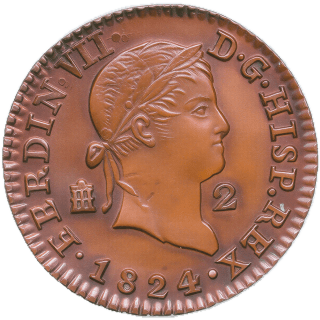 Obverse
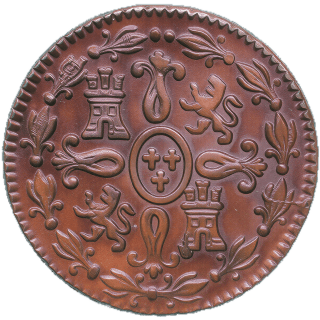 Reverse

ScanMyCoin: AI Coin Recognition
Professional AI coin recognition and collection management platform. Identify, learn, and track your coin collection with advanced AI technology and a vast.