

Saxony Saxony 10 thaler, 1829-1836
Description:
10 thaler Saxony 10 thaler, 1829-1836 coin from Saxony. Design, history & value.
1. Introduction
The Saxony 10 Thaler from the period of 1829-1836 is a numismatic gem that holds great historical and collectible value. Minted in gold with a denomination of 10 Thaler, this coin represents a significant era in the Kingdom of Saxony's coinage history.
2. Historical Background
During the early to mid-19th century, Saxony, a kingdom in central Europe, issued a series of coins to facilitate trade and commerce. The 10 Thaler denomination was a symbol of wealth and prosperity in Saxony during this period, showcasing the region's economic strength.
3. Design Features
The obverse of the Saxony 10 Thaler coin features the portrait of Anton V. G. G. Koenig von Sachsen, the reigning monarch of Saxony at that time. The reverse side simply states "ZEHN THALER," emphasizing the coin's denomination in a bold and elegant manner.
4. Technical Specifications
This exquisite coin is composed of 90% pure gold, weighing 13.36 grams with a diameter of 26.00mm. The precise craftsmanship and intricate details make this coin a prized possession for collectors and numismatists alike.
5. Collectible Value
The Saxony 10 Thaler gold coin from 1829-1836 holds significant collectible value due to its historical importance, limited mintage, and exquisite design. Its rarity and numismatic significance make it a sought-after piece among coin enthusiasts and collectors worldwide.
6. Conclusion
In conclusion, the Saxony 10 Thaler gold coin minted between 1829 and 1836 is a true numismatic treasure that encapsulates the rich history and craftsmanship of the Kingdom of Saxony. With its elegant design, historical significance, and collectible value, this coin stands as a testament to the artistic and monetary legacy of Saxony during the 19th century. This detailed article aimed to shed light on the unique features and collectible value of the Saxony 10 Thaler gold coin, offering a glimpse into the fascinating world of numismatics and historical coinage.
Coin Images
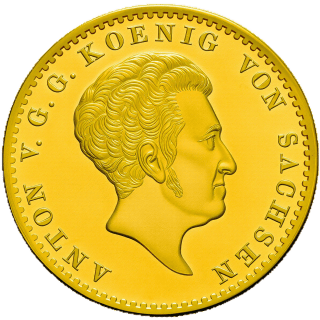 Obverse
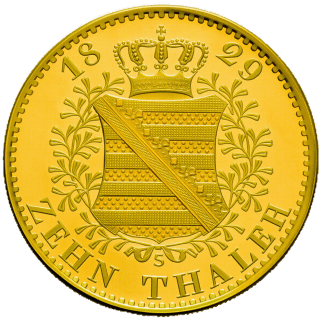 Reverse

ScanMyCoin: AI Coin Recognition
Professional AI coin recognition and collection management platform. Identify, learn, and track your coin collection with advanced AI technology and a vast.