

Saxony Saxony 10 thaler, 1825-1827
Description:
10 thaler Saxony 10 thaler, 1825-1827 coin from Saxony. Design, history & value.
1. Introduction
The Saxony 10 thaler gold coin minted between 1825 and 1827 holds a special place in the world of numismatics. As a significant piece from the Kingdom of Saxony, this coin embodies historical importance, exquisite design, and a tangible connection to a bygone era.
2. Historical Background
The Kingdom of Saxony, situated in present-day Germany, issued the 10 thaler coin during the reign of Friedrich August I, also known as Friedrich Augustus II. This period marked a time of economic growth and cultural flourishing in Saxony, making these coins a reflection of the region's prosperity.
3. Design Features
The obverse of the Saxony 10 thaler coin features the regal portrait of Friedrich August Koenig V. Sachsen, surrounded by intricate detailing symbolizing royalty and power. On the reverse, the simple yet elegant inscription "ZEHN THALER" indicates the coin's denomination with a timeless appeal.
4. Technical Specifications
This gold coin, with a fineness of 0.900, weighs 13.36g and has a diameter of 26.00mm. The craftsmanship and precision in its production highlight the dedication to detail characteristic of coins from this era.
5. Collectible Value
The Saxony 10 thaler coin from 1825-1827 is highly sought after by collectors due to its historical significance, limited mintage, and artistic value. Its rarity and connection to a specific period in Saxony's history contribute to its allure among numismatists worldwide.
6. Conclusion
In conclusion, the Saxony 10 thaler gold coin minted between 1825 and 1827 stands as a testament to the craftsmanship and artistry of the Kingdom of Saxony during that era. Its beauty, historical context, and scarcity make it a prized possession for collectors and a valuable piece of numismatic history. By delving into the intricate details and rich history of the Saxony 10 thaler coin, enthusiasts can truly appreciate the legacy encapsulated within this numismatic treasure.
Coin Images
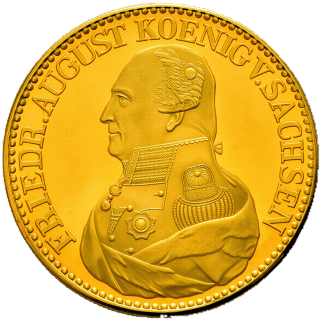 Obverse
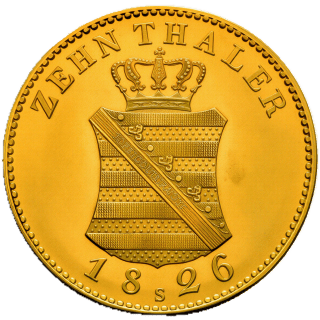 Reverse

ScanMyCoin: AI Coin Recognition
Professional AI coin recognition and collection management platform. Identify, learn, and track your coin collection with advanced AI technology and a vast.