

Prussia Prussia 2½ silbergroschen, 1842-1852
Posted on: December 2, 2025
keywords: Prussia, Prussia 2½ silbergroschen, 1842-1852, 2½ silbergroschen, coin collecting, numismatics, Prussia
Description:
2½ silbergroschen Prussia 2½ silbergroschen, 1842-1852 coin from Prussia. Design, history & value.
- Introduction: The Prussia 2½ silbergroschen coin, minted from 1842 to 1852, holds a significant place in the Kingdom of Prussia's coinage history. This silver coin features a portrayal of King Friedrich Wilhelm IV and reflects the economic and political landscape of the era.
- Historical Background: During the reign of Friedrich Wilhelm IV, Prussia witnessed a period of economic growth and modernization. The issuance of the 2½ silbergroschen coin was part of the monetary reforms aimed at standardizing the currency system and improving trade within the kingdom.
- Design Features: The obverse of the coin showcases a striking portrait of Friedrich Wilhelm IV with the inscription "FRIEDR. WILH. IV KOENIG V. PREUSSEN" surrounding his likeness. On the reverse side, the coin displays the denomination "12 EINEN THALER / 2½ SILBER GROSCHEN / SCHEIDE MÜNZE" within a decorative border.
- Technical Specifications: This coin weighs 3.24 grams with a diameter of 20.75mm, making it a compact yet substantial piece. Composed of 37.5% silver, the coin's specifications align with the monetary standards of the time, ensuring its acceptance in daily transactions.
- Collectible Value: The Prussia 2½ silbergroschen coin is highly sought after by numismatists and collectors due to its historical significance and limited mintage period. Its value in the numismatic market varies based on factors such as condition, rarity, and demand among collectors of Kingdom of Prussia coins.
- Conclusion: In conclusion, the Prussia 2½ silbergroschen coin from 1842-1852 stands as a testament to Prussia's numismatic heritage and the reign of Friedrich Wilhelm IV. Its intricate design, historical context, and collectible value make it a prized addition to any coin collection, bridging the past with the present for enthusiasts and historians alike.
Coin Images
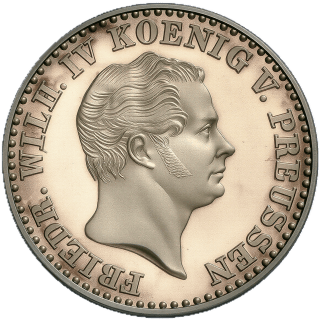 Obverse
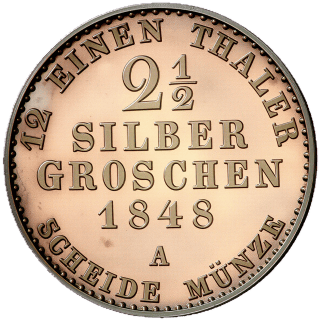 Reverse

ScanMyCoin: AI Coin Recognition
Professional AI coin recognition and collection management platform. Identify, learn, and track your coin collection with advanced AI technology and a vast.