

Prussia Prussia 2½ silbergroschen, 1853-1860
Description:
2½ silbergroschen Prussia 2½ silbergroschen, 1853-1860 coin from Prussia. Design, history & value.
1. Introduction
The Prussia 2½ Silbergroschen coin, minted between 1853 and 1860, holds a special place in the numismatic history of the Kingdom of Prussia. This silver coin not only reflects the monetary system of the era but also showcases the artistic and historical heritage of the region.
2. Historical Background
During the mid-19th century, Prussia, under King Friedrich Wilhelm IV, issued the 2½ Silbergroschen coin as part of its circulating currency. This denomination was an essential component of daily transactions and played a crucial role in the economic landscape of the kingdom.
3. Design Features
The obverse of the coin features the inscription "FRIEDR.WILHELM IV KOENIG V.PREUSSEN" around the central bust of King Friedrich Wilhelm IV. The reverse displays the value "12 EINEN THALER / 2½ SILBER GROSCHEN / SCHEIDE MÜNZE" surrounded by a wreath design.
4. Technical Specifications
- Composition: Silver 0.375
- Weight: 3.25g
- Diameter: 20.70mm
- Denomination: 2½ Silbergroschen
- Issuing Authority: Prussia
5. Collectible Value
The Prussia 2½ Silbergroschen coin is highly sought after by collectors due to its historical significance and limited mintage period. Its silver composition adds to its appeal, especially among those interested in collecting coins from the Kingdom of Prussia. The rarity of this coin contributes to its increasing market value, making it a valuable addition to any numismatic collection.
6. Conclusion
In conclusion, the Prussia 2½ Silbergroschen coin from 1853 to 1860 represents a fascinating era in the history of Prussian coinage. Its intricate design, historical relevance, and collectible value make it a prized possession for both numismatists and history enthusiasts. Owning this coin not only offers a glimpse into the past but also allows for a tangible connection to the rich heritage of the Kingdom of Prussia.
Coin Images
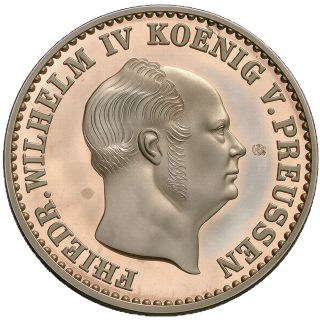 Obverse
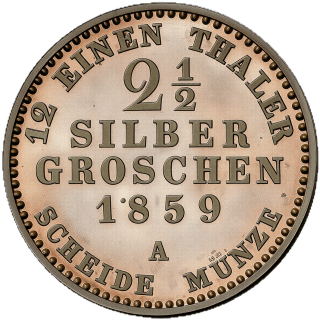 Reverse

ScanMyCoin: AI Coin Recognition
Professional AI coin recognition and collection management platform. Identify, learn, and track your coin collection with advanced AI technology and a vast.