
Macedonia, Kingdom of Tetradrachm (In the name of Alexander III; Sardis)
Description:
Tetradrachm Tetradrachm (In the name of Alexander III; Sardis) coin from Macedonia, Kingdom of. Design, history & value.
[SEO TITLE]: Macedonia Kingdom Tetradrachm: The Legacy of Alexander III's Silver Coin [SEO DESCRIPTION]: Explore the historical significance of the Macedonian Tetradrachm. [KEYWORDS]: Macedonia Tetradrachm, Alexander III coin, Silver Tetradrachm, ancient coin, Macedonia silver coin
Introduction
The Tetradrachm in the name of Alexander III, minted in Sardis, stands as a remarkable piece of numismatic history. This silver coin not only represents the incredible artistry and craftsmanship of the era but also serves as a tangible link to the legacy of Alexander the Great. As a collector's gem, this Tetradrachm from the Kingdom of Macedonia offers invaluable insights into the economic, cultural, and political dynamics of antiquity. Its intricate designs and historical significance make it a prized possession for both seasoned numismatists and history enthusiasts.
Historical Background
The Macedonian Tetradrachm, issued under the authority of the Kingdom of Macedonia, is intrinsically tied to the expansive reign of Alexander III, more commonly known as Alexander the Great. These coins were minted posthumously, reflecting the immense influence Alexander wielded even after his death in 323 BCE. The city of Sardis, a key minting location, was integral to the Hellenistic world, serving as a major administrative and cultural hub. The Tetradrachms circulated widely throughout Alexander's empire, facilitating trade and symbolizing the power and reach of his dominion.
Coin Images
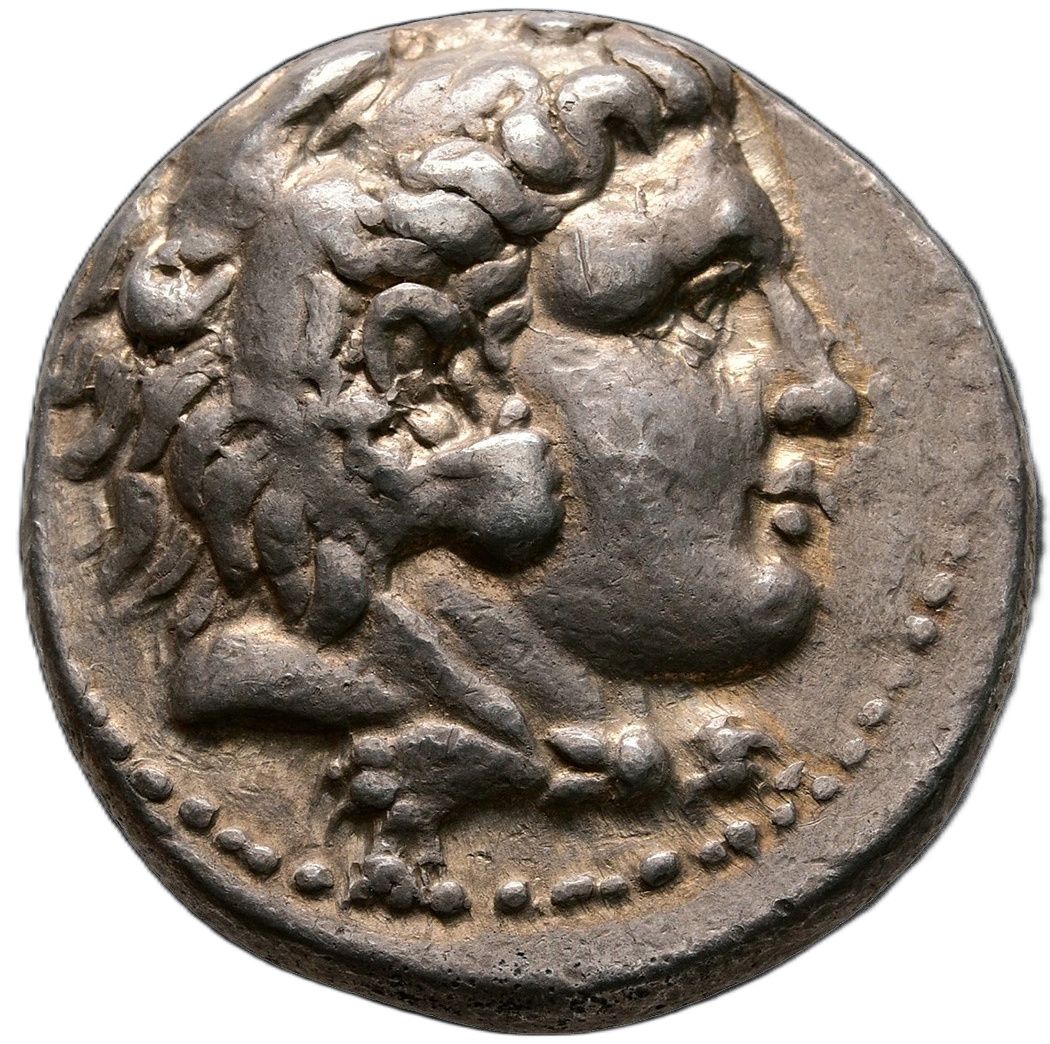 Obverse
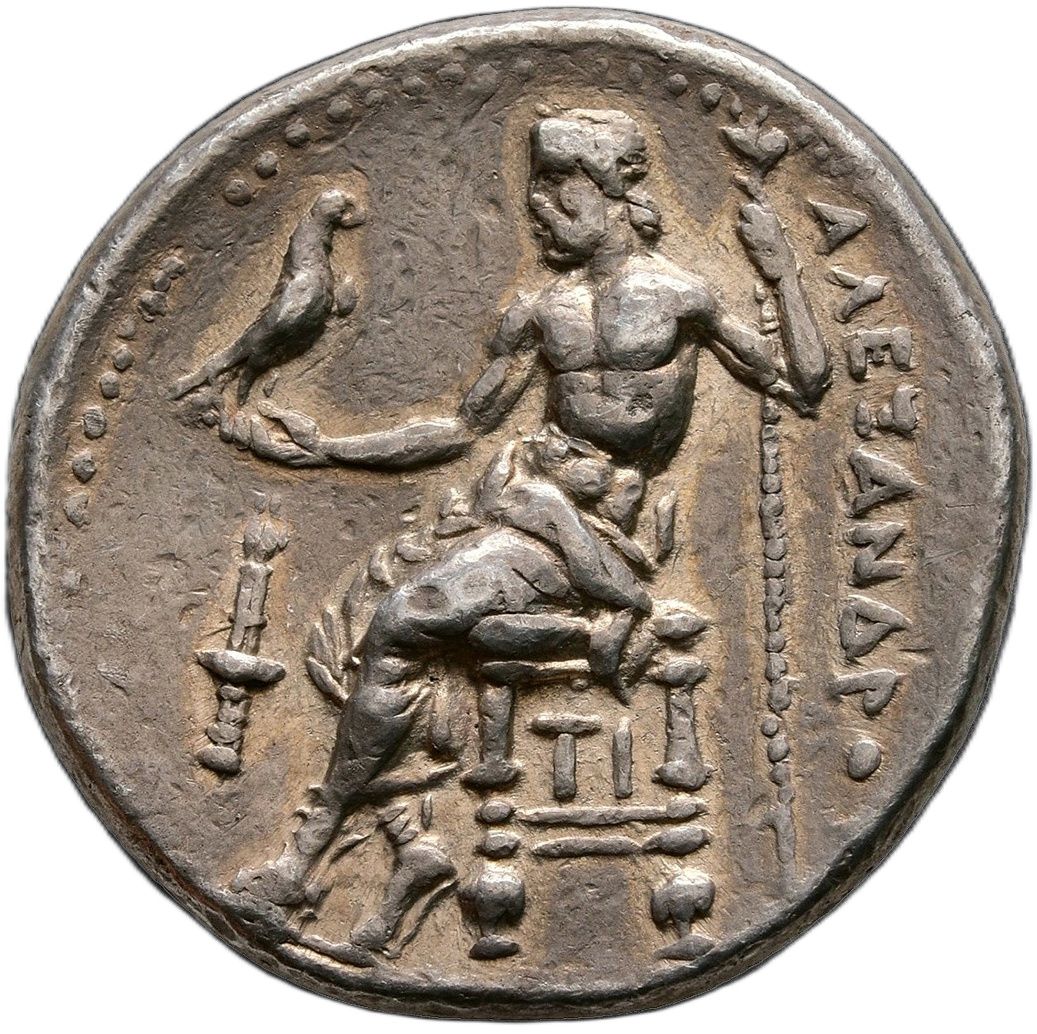 Reverse
Design Features
The design of the Tetradrachm is a testament to the artistic prowess of the time. Obverse Design: The obverse of the coin features the head of Heracles, depicted beardless, adorned with a lion skin headdress. This imagery not only highlights Heracles' legendary strength but also aligns Alexander with the divine hero, suggesting the king's own heroic status and divine favor. Reverse Design: On the reverse, Zeus is majestically seated on a stool-throne, holding an eagle in his outstretched right hand and a sceptre in his left. This powerful depiction conveys themes of authority and divinity, reinforcing the idea of Alexander's rule being ordained by the gods. The coin also bears symbols such as a torch in the left field and the inscription 'TI' below the throne, adding layers of meaning and identification to the piece.
Technical Specifications
Understanding the technical aspects of this Tetradrachm enhances its allure:
- Composition: Silver
- Weight: 17.03 grams
- Diameter: 25.00 mm These specifications not only highlight the coin's substantial size and weight, which were typical of Tetradrachms intended for significant economic transactions, but also its role in standardizing trade across the expansive territories of Alexander the Great's empire.
Collectible Value
The Tetradrachm of Alexander III is highly coveted in the numismatic community due to its historical significance and exquisite design. Its market value can vary significantly based on factors such as condition, provenance, and rarity. Coins with well-preserved details and clear inscriptions tend to fetch higher prices at auctions and among private collectors. Owning such a coin is akin to holding a piece of history, a testament to the enduring legacy of one of history's most iconic figures. The rarity of specific mint marks, like those from Sardis, can also increase the coin's desirability and value.
Conclusion
The Tetradrachm minted in the name of Alexander III is more than just an ancient currency; it is a relic of historical grandeur. This coin embodies the confluence of art, history, and power, offering a unique glimpse into the era of Alexander the Great. Its enduring appeal lies in its beautiful craftsmanship and the profound stories it tells about a time when the known world was united under a single visionary leader. For collectors and historians alike, the Macedonian Tetradrachm remains a symbol of an extraordinary past, bridging the gap between the modern world and ancient civilizations.

ScanMyCoin: AI Coin Recognition
Professional AI coin recognition and collection management platform. Identify, learn, and track your coin collection with advanced AI technology and a vast.