

Liège Liège 1 liard, 1744
Description:
1 liard Liège 1 liard, 1744 coin from Liège. Design, history & value.
Introduction
The Liège 1 Liard 1744 coin holds a significant place in numismatic history, representing the Prince-Bishopric of Liège during the mid-18th century. This copper coinage is a testament to the rich cultural and economic heritage of the region.
Historical Background
Issued in 1744 in Liège, a city in present-day Belgium, this coin was minted during the reign of Prince-Bishop Theodor de Baviera. The Prince-Bishopric of Liège was a unique political entity where the bishop not only held religious authority but also wielded secular power. Coins like the 1 Liard from this period reflect the autonomy and distinctiveness of the region.
Coin Images
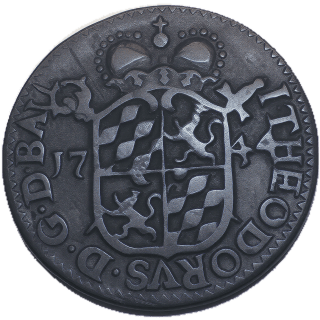 Obverse
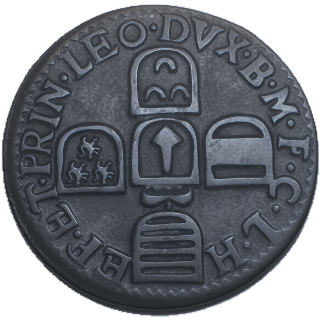 Reverse
Design Features
The obverse of the coin showcases the year "1744" above the inscription "I THEODORVS D G BAU," highlighting the name of the ruling Prince-Bishop. On the reverse, "EP ET PRIN LEO DVX B M F C L H" denotes the ecclesiastical and secular titles of the Prince-Bishop. The intricate lettering and design elements make this coin a visually appealing piece of history.
Technical Specifications
This 1 Liard coin weighs 3.50 grams and has a diameter of 23.50mm. Crafted from copper, it reflects the common metal used for small denominations during this era. The size and weight of the coin were standardized to ensure consistency in trade and commerce.
Collectible Value
The Liège 1 Liard 1744 coin is highly sought after by collectors due to its historical significance and rarity. As a relic of the Prince-Bishopric of Liège, it appeals to numismatists interested in European ecclesiastical coinage. The market value of this coin varies based on its condition and demand in the collector's market, making it a valuable addition to any collection.
Conclusion
In conclusion, the Liège 1 Liard 1744 copper coin represents a fascinating blend of history, artistry, and numismatics. Its unique design and connection to the Prince-Bishopric of Liège make it a prized collectible for enthusiasts. Owning this coin not only offers a tangible link to the past but also preserves a piece of European coinage heritage for future generations to appreciate.

ScanMyCoin: AI Coin Recognition
Professional AI coin recognition and collection management platform. Identify, learn, and track your coin collection with advanced AI technology and a vast.