

Liège Liège 1 liard, 1726-1727
Description:
1 liard Liège 1 liard, 1726-1727 coin from Liège. Design, history & value.
Introduction
The Liège 1 liard copper coin minted between 1726 and 1727 is a fascinating numismatic piece from the Prince-Bishopric of Liège, known for its historical significance and unique design features that appeal to both coin collectors and history enthusiasts.
Historical Background
The Prince-Bishopric of Liège, a state of the Holy Roman Empire, issued its own currency during the 17th and 18th centuries, including the 1 liard denomination. These coins served as a symbol of the region's autonomy and the authority of the reigning Prince-Bishop. The period between 1726 and 1727 marked a time of political stability and economic prosperity in Liège, reflected in the coinage of the era.
Coin Images
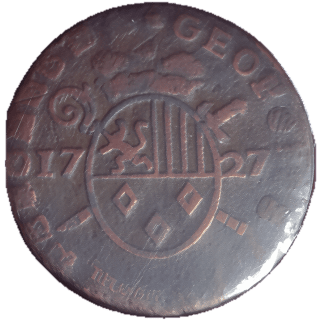 Obverse
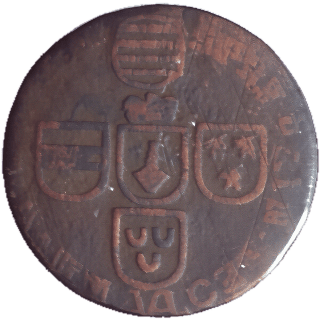 Reverse
Design Features
The obverse of the Liège 1 liard coin features the inscription "GEORGIUS LUD DE BERGHES D G," referring to George Louis, the reigning Prince-Bishop of Liège at the time. The reverse displays the inscription "EP ET PRIN LEO DUX BUL M F C L H," representing the ecclesiastical and secular titles of the Prince-Bishop. The intricate lettering and design elements on both sides showcase the craftsmanship of the minting process during this period.
Technical Specifications
This copper coin weighs 3.10 grams and has a diameter of 24.50mm, making it a relatively small denomination in terms of size. The composition of copper gives the coin a distinct reddish-brown hue and adds to its historical charm. These technical specifications contribute to the coin's authenticity and aid in its identification among other contemporary pieces.
Collectible Value
The Liège 1 liard coin from 1726-1727 holds significant collectible value among numismatists and coin enthusiasts. Its historical relevance, coupled with its limited mintage and unique design, make it a sought-after piece for collectors of European coinage. Depending on its condition and historical provenance, this coin can command a respectable price in the numismatic market, appealing to both seasoned collectors and beginners looking to expand their collection with a piece of Liège's rich numismatic heritage.
Conclusion
In conclusion, the Liège 1 liard 1726-1727 copper coin stands as a testament to the intricate history and cultural significance of the Prince-Bishopric of Liège. Its blend of historical context, unique design features, and collectible value make it a prized addition to any numismatic collection. By owning this coin, collectors not only acquire a piece of tangible history but also a connection to a bygone era of European coinage artistry and political authority. By following this structured format, you can create a comprehensive and engaging article that showcases the unique characteristics and historical importance of the Liège 1 liard 1726-1727 copper coin.

ScanMyCoin: AI Coin Recognition
Professional AI coin recognition and collection management platform. Identify, learn, and track your coin collection with advanced AI technology and a vast.