

Liège Liège 1 liard, 1744
Description:
1 liard Liège 1 liard, 1744 coin from Liège. Design, history & value.
Introduction
The Liège 1 liard coin, dated 1744, holds a significant place in the numismatic history of the Prince-Bishopric of Liège. This copper coin not only serves as a testament to the region's economic and political landscape but also showcases intricate design elements that reflect the artistic craftsmanship of the era.
Historical Background
The coin was minted in Liège, a city and region that was part of the Prince-Bishopric of Liège between 1650 and 1794. During this period, the Prince-Bishopric enjoyed a level of autonomy under the rule of the Prince-Bishop. The issuance of coins was a symbol of the region's sovereignty and economic stability.
Coin Images
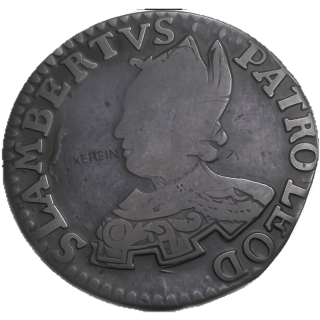 Obverse
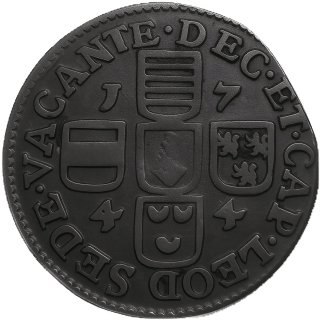 Reverse
Design Features
The obverse of the coin features the inscription "S LAMBERTUS PATRO LEOD," paying homage to Saint Lambert, the patron saint of Liège. The reverse displays the Latin phrase "DEC ET CAP LEOD SEDE VACANTE," which translates to "Council and Chapter of Liège During the Vacant See."
Technical Specifications
- Denomination: 1 liard
- Country/Issuer: Liège
- Year: 1744
- Composition: Copper
- Weight: 3.50g
- Diameter: 23.50mm
Collectible Value
The Liège 1 liard coin from 1744 holds both historical and collectible significance. Its association with the Prince-Bishopric of Liège makes it a desirable addition to any numismatist's collection. The coin's rarity and age contribute to its value, with well-preserved specimens commanding attention from collectors worldwide.
Conclusion
In conclusion, the Liège 1 liard coin minted in 1744 stands as a tangible piece of history from the Prince-Bishopric of Liège. Its intricate design, historical context, and collectible value make it a prized possession for both numismatists and history enthusiasts alike. Owning this coin not only offers a glimpse into the past but also allows for a deeper appreciation of the cultural and artistic heritage of the region.

ScanMyCoin: AI Coin Recognition
Professional AI coin recognition and collection management platform. Identify, learn, and track your coin collection with advanced AI technology and a vast.