

Hohenlohe-Neuenstein-Öhringen, County of 1 Kreuzer - Louis Frederick Charles
Description:
1 Kreuzer 1 Kreuzer - Louis Frederick Charles coin from Hohenlohe-Neuenstein-Öhringen, County of. Design, history & value.
[SEO TITLE]: Explore the 1 Kreuzer Coin from Hohenlohe-Neuenstein-Öhringen [SEO DESCRIPTION]: Discover the 1774 1 Kreuzer coin's history and unique design. [KEYWORDS]: 1 Kreuzer, Hohenlohe-Neuenstein-Öhringen, Louis Frederick Charles, 1774 coin, billon coin, numismatics, collectible coin
Introduction
The 1 Kreuzer coin from the County of Hohenlohe-Neuenstein-Öhringen is a fascinating piece of numismatic history. Minted in 1774, this coin represents a unique blend of historical significance and artistic design. With its distinct composition and intricate designs, it holds a special place among collectors and historians alike. This article delves into the captivating details of the 1 Kreuzer coin, exploring its historical context, design features, technical specifications, and its place in the world of coin collecting.
Historical Background
The County of Hohenlohe-Neuenstein-Öhringen, located in present-day Germany, was a small but significant principality during the 18th century. The issuance of the 1 Kreuzer coin in 1774 under the rule of Louis Frederick Charles reflects a time of political and economic activity in the region. During this period, the kreuzer served as a standard currency unit in many German states. Louis Frederick Charles, a member of the noble Hohenlohe family, oversaw the minting of this coin. The 1 Kreuzer not only facilitated trade and commerce within the county but also symbolized the region's autonomy and cultural identity. This coin, though produced for a short period, offers a glimpse into the economic practices and governance of the era.
Coin Images
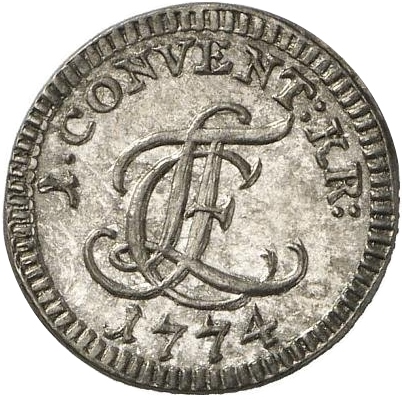 Obverse
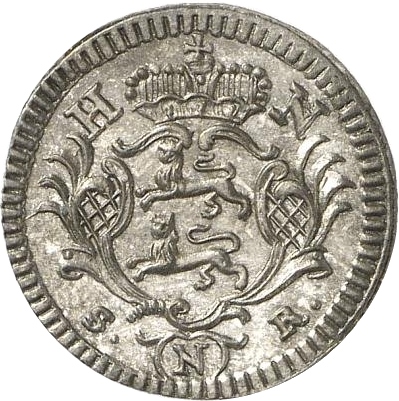 Reverse
Design Features
The 1 Kreuzer coin is notable for its detailed and symbolic designs. Obverse Design: The obverse features a monogram of Louis Frederick Charles, elegantly surrounded by an intricate legend. At the bottom, the date "1774" is prominently displayed, marking the year of its minting. The monogram serves as a mark of authority and legitimacy, highlighting the coin's origins. Reverse Design: On the reverse, the coin showcases a beautifully crowned coat of arms, flanked by palm branches. The crown represents sovereignty and noble lineage, while the palm branches symbolize peace and victory. This combination of imagery conveys both the pride and aspirations of the Hohenlohe-Neuenstein-Öhringen county.
Technical Specifications
The 1 Kreuzer coin was crafted from billon, an alloy containing 18.7% silver, which was a common composition for lower denomination coins of the time. The coin's diameter measures 16.00mm, making it a small yet significant piece of currency. While the exact weight can vary due to minting practices, the use of billon reflects the economic realities and metallurgical practices of 18th-century Europe.
Collectible Value
The 1 Kreuzer coin from Hohenlohe-Neuenstein-Öhringen is a sought-after collectible for numismatists and history enthusiasts. Given its limited mintage in 1774, the coin is considered relatively rare. Its historical significance, coupled with its artistic design, adds to its desirability among collectors. The market value of this coin can vary significantly based on its condition, provenance, and demand within the numismatic community. Coins in excellent condition with clear details of the monogram and arms can command higher prices at auctions and among private collectors. As a piece of history, it offers insight into the economic and cultural landscape of the time, enhancing its appeal beyond mere monetary value.
Conclusion
The 1 Kreuzer coin from the County of Hohenlohe-Neuenstein-Öhringen is a remarkable artifact of the 18th century. Its unique blend of artistic design, historical significance, and numismatic value makes it a treasured addition to any collection. Whether you are a seasoned collector or a history enthusiast, this coin offers a tangible connection to the past, reflecting the intricate tapestry of European history. As you explore the world of numismatics, the 1774 1 Kreuzer stands out as a testament to the enduring legacy of the Hohenlohe family and their principality.

ScanMyCoin: AI Coin Recognition
Professional AI coin recognition and collection management platform. Identify, learn, and track your coin collection with advanced AI technology and a vast.