
Hesse-Kassel Hesse-Kassel ⅙ thaler, 1803-1807
Description:
⅙ thaler Hesse-Kassel ⅙ thaler, 1803-1807 coin from Hesse-Kassel. Design, history & value.
1. Introduction
The Hesse-Kassel ⅙ thaler coin minted between 1803 and 1807 holds a special place in numismatic history. Issued by the Electorate of Hesse-Kassel, this silver coin reflects the artistic and historical significance of the region during that era.
2. Historical Background
The Electorate of Hesse-Kassel, a principality in the Holy Roman Empire, produced this ⅙ thaler coin during the early 19th century. The coinage system of Hesse-Kassel went through several reforms during this period, making these coins a testament to the economic and political landscape of the time.
3. Design Features
The obverse of the coin features the majestic coat of arms of Hesse-Kassel, often accompanied by crowns symbolizing the royal authority. On the reverse, intricate inscriptions such as "80 STÜCK EINE MARK FEIN" and "IUSTIRT / VI EINEN THALER" add to the coin's historical charm.
4. Technical Specifications
This silver ⅙ thaler coin typically measures [specify size], weighs [specify weight], and has a silver purity of 0.625. The coin's design and composition reflect the craftsmanship and precision of the minting process during that period.
5. Collectible Value
Due to its historical significance and limited mintage, the Hesse-Kassel ⅙ thaler coin is highly sought after by collectors. Its rarity and connection to the Electorate of Hesse-Kassel make it a prized addition to any numismatist's collection. The market value of these coins can vary based on their condition and historical demand.
6. Conclusion
In conclusion, the Hesse-Kassel ⅙ thaler coin from 1803-1807 offers a glimpse into the rich history and artistry of the Electorate of Hesse-Kassel. Its unique design, silver composition, and historical context make it a valuable and fascinating piece for both coin collectors and history enthusiasts. Owning a piece of this numismatic treasure is not just a collection of metal but a connection to a bygone era of European history.
Coin Images
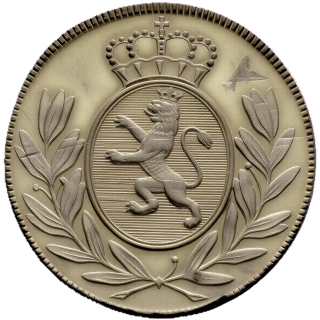 Obverse
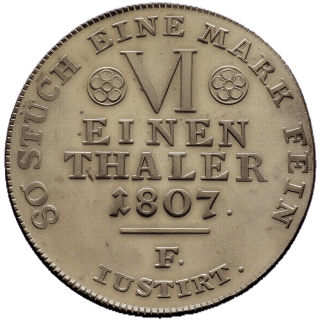 Reverse

ScanMyCoin: AI Coin Recognition
Professional AI coin recognition and collection management platform. Identify, learn, and track your coin collection with advanced AI technology and a vast.