
Hesse-Kassel Hesse-Kassel ⅙ thaler, 1823-1831
Description:
⅙ thaler Hesse-Kassel ⅙ thaler, 1823-1831 coin from Hesse-Kassel. Design, history & value.
Introduction
The Hesse-Kassel ⅙ thaler, minted between 1823 and 1831, holds a special place in numismatic history. As part of the Electorate of Hesse-Kassel's coinage, it reflects the region's economic and political landscape during that era.
Historical Background
Issued by the Hesse-Kassel authorities, this coin played a crucial role in facilitating trade and commerce within the Electorate. The ⅙ thaler denomination was essential for everyday transactions, showcasing the region's monetary system's intricacies.
Coin Images
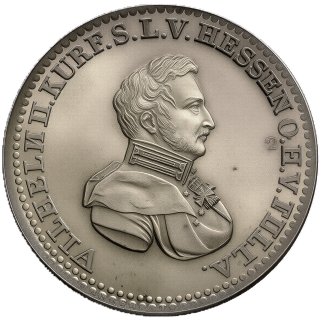 Obverse
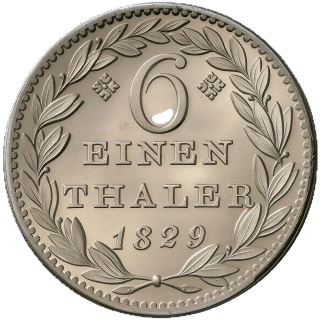 Reverse
Design Features
The obverse of the coin features the inscription "WILHELM II. KURF. S.L.V.HESSEN G.H.V.FULDA.," highlighting the ruling authority of the era. On the reverse, the denomination "6 EINEN THALER" is prominently displayed, emphasizing the coin's fractional value.
Technical Specifications
Weighing 5.32g and measuring 23.00mm in diameter, this silver coin contains 50% silver content, reflecting the standard composition of coins from that period. The meticulous craftsmanship and precise specifications make it a standout piece for collectors.
Collectible Value
The Hesse-Kassel ⅙ thaler from 1823-1831 holds both historical and collectible significance. Its rarity and connection to the Electorate of Hesse-Kassel make it a sought-after piece among numismatists. Depending on the condition and historical context, its market value can vary, with well-preserved pieces commanding higher prices.
Conclusion
In conclusion, the Hesse-Kassel ⅙ thaler, minted between 1823 and 1831, serves as a tangible link to the past, offering insights into the economic and cultural milieu of the Electorate of Hesse-Kassel. Its exquisite design, historical relevance, and collectible value make it a prized possession for both coin enthusiasts and historians alike.

ScanMyCoin: AI Coin Recognition
Professional AI coin recognition and collection management platform. Identify, learn, and track your coin collection with advanced AI technology and a vast.