
Germany (1871-1948) 50 Reichspfennig (Pattern)
Description:
50 Pfennigs 50 Reichspfennig (Pattern) coin from Germany (1871-1948). Design, history & value.
Introduction
The 50 Reichspfennig Pattern Coin from Germany, minted in 1926, represents a unique piece of numismatic history. This coin stands out not only due to its brief production period but also because of its distinctive design and historical significance. Numismatists and collectors alike prize this pattern coin for its rarity and the story it tells about Germany during the interwar period. The 50 Reichspfennig is a testament to the nation's rich history and its evolving economy.
Historical Background
The 50 Reichspfennig Pattern Coin was issued under the authority of Germany during a tumultuous time in European history. In 1926, Germany was navigating the economic and political challenges of the Weimar Republic era. The issuance of this coin was part of broader efforts to stabilize the country's currency and economy following the hyperinflation of the early 1920s. Although it was never released into general circulation, the 50 Reichspfennig serves as a historical artifact reflecting Germany's attempts to modernize its monetary system.
Coin Images
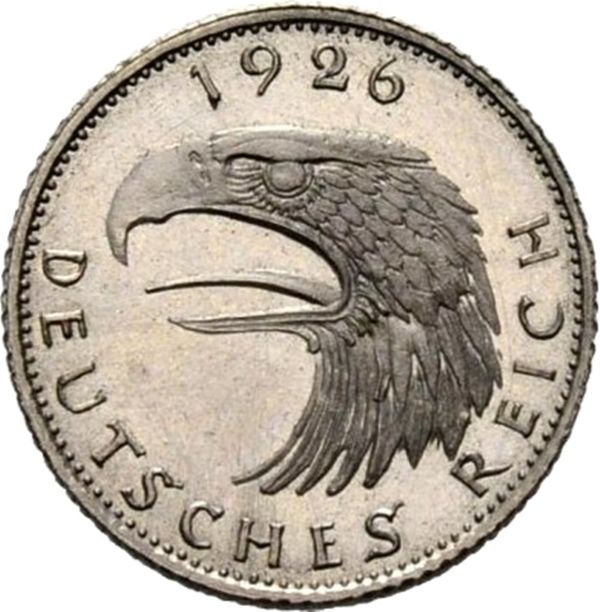 Obverse
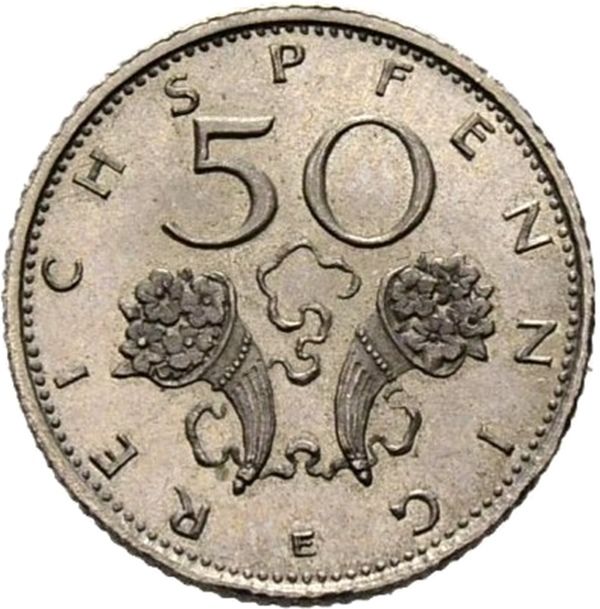 Reverse
Design Features
The 50 Reichspfennig Pattern Coin is notable for its intricate design, which captures the artistic sensibilities of the time. On the obverse, the coin features a majestic eagle facing left, a symbol of Germany's strength and national identity. The reverse side showcases the denomination "50" prominently displayed above two cornucopias, symbolizing abundance and prosperity. Surrounding the denomination is the legend that frames the design, offering a balanced and aesthetically pleasing look. This coin's design is a blend of symbolism and artistry, making it a visually appealing piece for collectors.
Technical Specifications
This pattern coin is composed of copper-nickel, a durable and attractive alloy. Weighing 3.50 grams and with a diameter of 20.00 millimeters, the 50 Reichspfennig is a compact yet substantial coin. These specifications were typical for coins intended for everyday use, though this particular coin was never circulated. The choice of materials and dimensions reflects both the economic constraints and the technological capabilities of the period.
Collectible Value
The 50 Reichspfennig Pattern Coin is highly sought after in the numismatic community, primarily due to its rarity and historical context. As a pattern coin, it was minted in limited quantities, making it a prized addition to any collection. Its market value fluctuates based on condition, provenance, and historical interest, often commanding higher prices at auctions and private sales. For collectors, this coin offers a glimpse into a critical era of German history, enhancing its allure and collectible significance.
Conclusion
In summary, the 50 Reichspfennig Pattern Coin from Germany is a remarkable artifact of numismatic interest. Its unique design, historical background, and the rarity make it a valuable piece for collectors and historians alike. This coin not only serves as a tangible connection to Germany's past but also as a symbol of the country's enduring legacy in the world of numismatics. Whether you are a seasoned collector or a history enthusiast, the 50 Reichspfennig offers a fascinating insight into the economic and cultural landscapes of 1920s Germany.

ScanMyCoin: AI Coin Recognition
Professional AI coin recognition and collection management platform. Identify, learn, and track your coin collection with advanced AI technology and a vast.