
Germany (1871-1948) 50 Reichspfennig (Pattern)
Description:
50 Pfennigs 50 Reichspfennig (Pattern) coin from Germany (1871-1948). Design, history & value.
Introduction
The 50 Reichspfennig Pattern coin from Germany, minted in 1926, represents a fascinating piece of numismatic history. This coin is not only a testament to the economic conditions of Germany during the interwar period but also a captivating subject for collectors due to its unique design and historical context. Crafted from copper-nickel, this coin offers an intriguing glimpse into the era's monetary system and its aesthetic values.
Historical Background
The 50 Reichspfennig coin emerged in a time of significant economic and political change in Germany. The Weimar Republic, established after World War I, faced severe economic challenges, including hyperinflation and subsequent stabilization efforts. The issuance of the 50 Reichspfennig in 1926 was part of the broader attempt to restore confidence in the German currency. Although this specific pattern coin was not widely circulated, its existence underscores the experimental approaches the government took to stabilize and strengthen its monetary system.
Coin Images
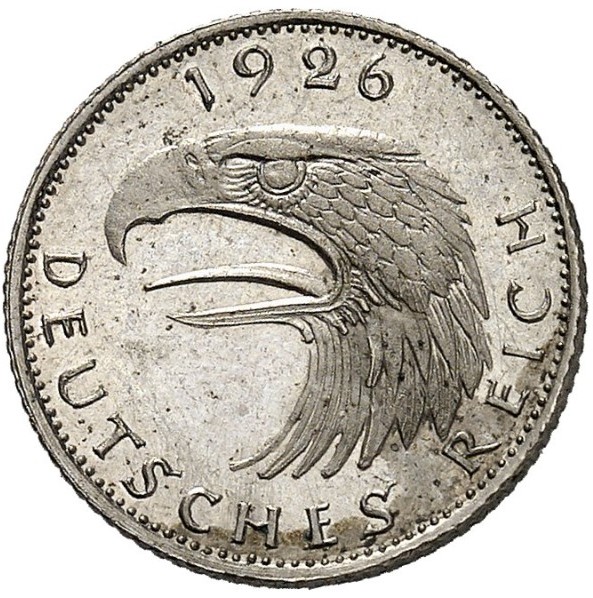 Obverse
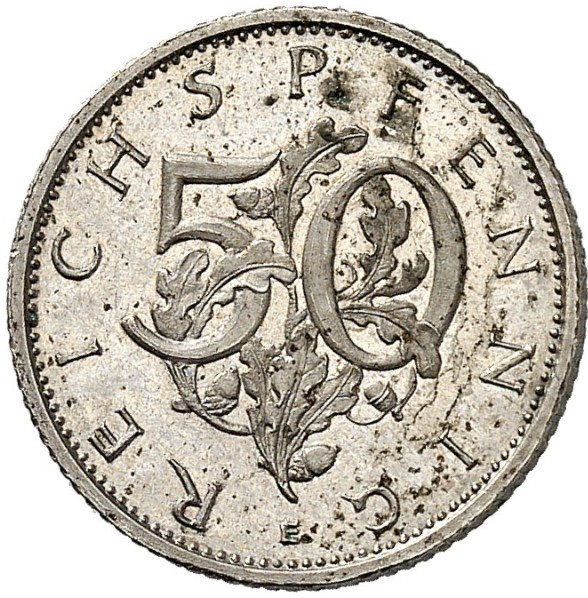 Reverse
Design Features
Obverse Design: The obverse of the 50 Reichspfennig Pattern coin is dominated by a striking image of an eagle facing left, a symbol deeply rooted in German heraldry. The eagle's design is both regal and minimalist, capturing the essence of German strength and tradition. Reverse Design: On the reverse side, the coin features a simple yet elegant arrangement of oak leaves surrounding the denomination "50 Pfennigs." The oak leaves are a traditional German symbol of strength and endurance, complementing the coin's robust copper-nickel composition. The combination of these elements not only highlights the coin's practical purpose but also reflects the cultural and historical heritage of Germany.
Technical Specifications
The 50 Reichspfennig Pattern coin is notable for its precise technical specifications, which appeal to collectors interested in the minutiae of coinage. The coin has a diameter of 19.65mm and weighs 3.42 grams, making it a compact yet substantial piece. Its composition of copper-nickel was a strategic choice, balancing durability with cost-effectiveness during a tumultuous economic period.
Collectible Value
In the numismatic community, the 50 Reichspfennig Pattern coin is regarded as a rare and valuable collectible. Its limited mintage, coupled with its historical significance, enhances its appeal. While not commonly found in circulation, this coin can command a premium price at auctions and among private collectors. Its rarity and condition greatly influence its market value, with well-preserved specimens being particularly sought after. As a pattern coin, it holds a unique place in collections focusing on German currency or 20th-century numismatic history.
Conclusion
The 1926 Germany 50 Reichspfennig Pattern coin is more than just a piece of currency; it is a bridge to a pivotal era in German history. Its intricate design and technical craftsmanship, combined with its historical significance, make it a cherished item for collectors and historians alike. This coin not only reflects the economic challenges of its time but also serves as a testament to the enduring appeal of numismatic artistry. Whether you're a seasoned collector or a newcomer to the world of coins, the 50 Reichspfennig offers a unique window into the past, enriching any collection with its rich story and undeniable allure.

ScanMyCoin: AI Coin Recognition
Professional AI coin recognition and collection management platform. Identify, learn, and track your coin collection with advanced AI technology and a vast.