

China - Empire China - Empire 1 cash, 1862
Description:
1 cash China - Empire 1 cash, 1862 coin from China - Empire. Design, history & value.
Introduction
The China Empire 1 cash coin minted in 1862 during the Qing Dynasty holds a significant place in numismatic history. This brass coin not only represents a specific era but also showcases the intricate craftsmanship of Chinese coinage.
Historical Background
Issued by the China Empire during the Qing Dynasty, this 1 cash coin was part of the monetary system in place during the mid-19th century. The reign title "Tongzhi" on the obverse side indicates the era of Emperor Tongzhi, adding a layer of historical context to this numismatic treasure.
Coin Images
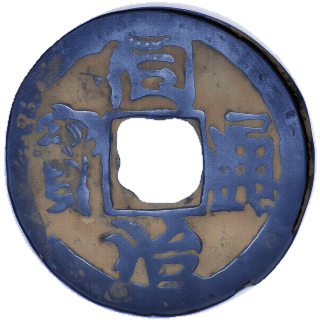 Obverse
 Reverse
Design Features
The obverse side of the coin features the characters 同治 (Tongzhi) at the top, followed by 寶 (Bao) in the center and 通 (Tong) at the bottom. These characters symbolize the reign title and the denomination of the coin. On the reverse side, the intricate design includes the Mongolian script ᠣᠣ ᠰᡠ, adding a unique cultural element to this coin.
Technical Specifications
This China Empire 1 cash coin has a weight of 1.64g and a diameter of 21.00mm, making it a relatively small but substantial piece of Chinese numismatic history. Crafted from brass, this coin showcases the durability and craftsmanship of coins from this period.
Collectible Value
Due to its historical significance and limited mintage, the China Empire 1 cash 1862 coin holds considerable collectible value. Numismatists and collectors value this coin for its representation of the Qing Dynasty era and the intricate design elements it features. Its rarity level adds to its desirability among coin enthusiasts.
Conclusion
In conclusion, the China Empire 1 cash 1862 coin is a remarkable numismatic piece that captures the essence of the Qing Dynasty. With its intricate design, historical significance, and collectible value, this coin stands as a testament to the rich numismatic heritage of China. Collectors and enthusiasts alike treasure this coin for its beauty and historical importance in the world of coin collecting.

ScanMyCoin: AI Coin Recognition
Professional AI coin recognition and collection management platform. Identify, learn, and track your coin collection with advanced AI technology and a vast.