

China - Empire China - Empire 1 cash, 1862
Description:
1 cash China - Empire 1 cash, 1862 coin from China - Empire. Design, history & value.
Introduction
The China Empire 1 cash coin minted in 1862 holds a significant place in numismatic history. This brass coin, from the Qing Dynasty era, showcases intricate designs and cultural symbolism that make it a prized possession for collectors worldwide.
Historical Background
During the Qing Dynasty (1644 - 1912), the empire issued various coins to facilitate trade and stabilize the economy. The 1 cash denomination was one of the most commonly used coins for everyday transactions. Each coin represented a unit of currency vital for conducting business and daily life in Imperial China.
Coin Images
 Obverse
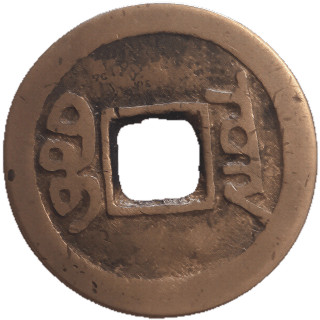 Reverse
Design Features
The obverse of the China Empire 1 cash coin features the characters 同治 (Tongzhi) and 寶通 (Bao Tong), representing the reign title and denomination. The reverse side displays the Mongolian script ᠪᠣᠣ ᠨᠠᠨ (Boo Nan). These inscriptions reflect the cultural diversity and linguistic richness of the Qing Empire.
Technical Specifications
This coin weighs 2.87 grams and has a diameter of 21.00mm, making it a small yet substantial piece of numismatic history. Crafted from brass, the coin's composition adds to its durability and unique appeal among collectors.
Collectible Value
The China Empire 1 cash coin from 1862 holds both historical and monetary value in the numismatic world. Due to its age and limited availability, this coin is considered rare and highly sought after by collectors. Its market value can vary based on factors such as condition, scarcity, and demand in the numismatic market.
Conclusion
In conclusion, the China Empire 1 cash coin of 1862 stands as a testament to the rich history and cultural heritage of the Qing Dynasty. Its intricate designs, historical significance, and collectible value make it a prized addition to any coin collection. Owning this piece of Chinese numismatic history not only offers a glimpse into the past but also provides a tangible connection to a bygone era of Imperial China.

ScanMyCoin: AI Coin Recognition
Professional AI coin recognition and collection management platform. Identify, learn, and track your coin collection with advanced AI technology and a vast.