

Castile and Leon, Kingdom of Obol - Alfonso VI (Toledo)
Description:
1 Obol Obol - Alfonso VI (Toledo) coin from Castile and Leon, Kingdom of. Design, history & value.
Introduction
The Obol coin minted during the reign of Alfonso VI in the Kingdom of Castile and Leon is a remarkable piece of medieval numismatic history. This small yet significant currency not only represents the economic practices of the time but also offers insights into the cultural and political milieu of late 11th century Iberia. Collectors and history enthusiasts alike value this piece for its rarity and the story it tells about the consolidation of power during Alfonso VI's reign.
Historical Background
The Kingdom of Castile and Leon, under the rule of Alfonso VI (1072-1109), was a period marked by territorial expansion and the unification of Christian kingdoms in the Iberian Peninsula. The issuance of the Obol from 1087 to 1090 reflects a time of considerable transformation and consolidation for Alfonso VI. The coinage system in Castile and Leon during this era was crucial for facilitating trade and asserting the king's authority over newly conquered lands. The Obol served as a smaller denomination for everyday transactions, making it a vital component of the medieval economy.
Coin Images
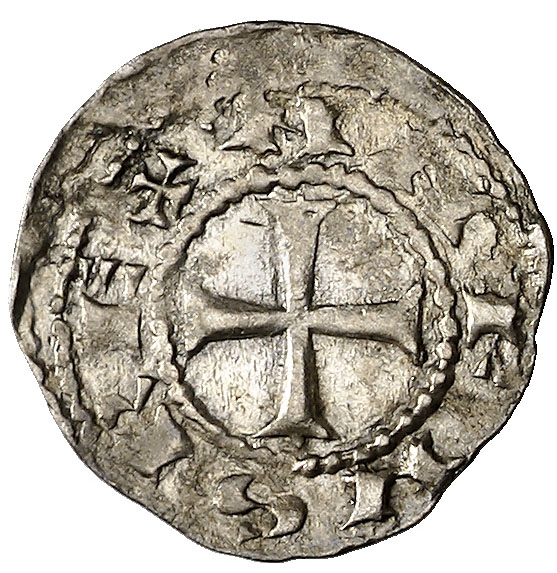 Obverse
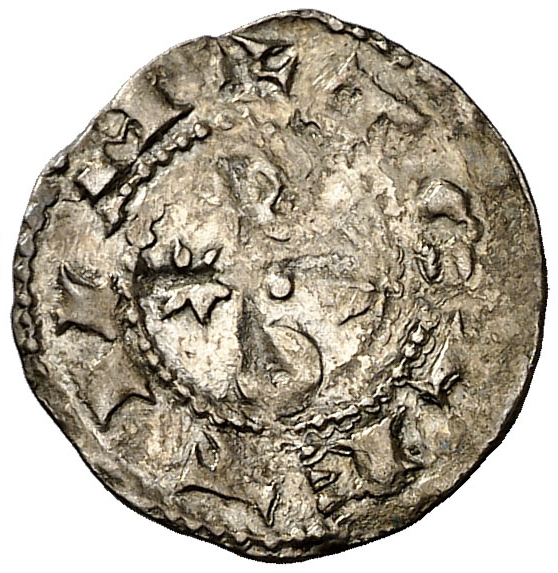 Reverse
Design Features
Obverse Design: The obverse of the Obol features a simple yet powerful cross, a symbol that resonated deeply with the Christian identity of the kingdom. This emblematic design not only served a religious purpose but also symbolized the king's divine right to rule, reinforcing Alfonso VI's authority. Reverse Design: The reverse is adorned with two circles encasing two stars, a design that is both aesthetically pleasing and symbolic. The circles may represent unity or eternity, while the stars could symbolize guidance or protection. This design choice reflects the artistic tendencies of the period and offers a glimpse into the medieval worldview.
Technical Specifications
The Obol of Alfonso VI is composed of billon, an alloy of silver and base metals, which was a common choice for coinage in the medieval period due to its affordability and durability. The coin weighs approximately 0.40 grams, making it a lightweight currency suitable for regular circulation. The choice of billon also indicates the economic considerations of the time, balancing the value of silver with the need for a practical, everyday currency.
Collectible Value
In the realm of numismatics, the Obol of Alfonso VI is considered a prized collectible. Its limited minting period from 1087 to 1090 adds to its rarity, making it a sought-after piece for collectors of medieval coinage. The historical significance of the coin, coupled with its unique design elements, enhances its appeal. While the market value can vary based on condition and provenance, this coin typically garners interest from those passionate about medieval history and Spanish numismatics.
Conclusion
The Obol from the Kingdom of Castile and Leon under Alfonso VI is more than just a piece of currency; it is a tangible link to a pivotal era in Spanish history. Its design, composition, and historical context offer a rich narrative about the economic and political landscape of the late 11th century. For collectors and historians, this coin is a captivating artifact that embodies the complexities and achievements of Alfonso VI's reign, making it an invaluable addition to any collection.

ScanMyCoin: AI Coin Recognition
Professional AI coin recognition and collection management platform. Identify, learn, and track your coin collection with advanced AI technology and a vast.