

Castile and Leon, Kingdom of Obol - Alfonso VI (Leon)
Description:
1 Obol Obol - Alfonso VI (Leon) coin from Castile and Leon, Kingdom of. Design, history & value.
Introduction
The Obol coin of Alfonso VI from Castile and Leon represents a fascinating piece of medieval numismatic history. Issued in the year 1108, this coin stands as a testament to the rich cultural and economic tapestry of medieval Spain. With its unique design and historical significance, the 1 Obol coin is a coveted item among collectors and history enthusiasts alike. This article delves into the core aspects of this coin, from its historical context to its collectible value, offering a comprehensive insight into what makes it a remarkable artifact of its time.
Historical Background
Alfonso VI, King of León and Castile, was a pivotal figure in the history of medieval Spain. His reign, which spanned from 1065 to 1109, was marked by significant military and political achievements, including the notable conquest of Toledo in 1085. The issuance of the 1 Obol coin in 1108 occurred during a period of consolidation and expansion under Alfonso VI's rule. Coins like the Obol served not just as monetary instruments but also as tools of propaganda, reinforcing the king's sovereignty and the economic stability of his realm.
Coin Images
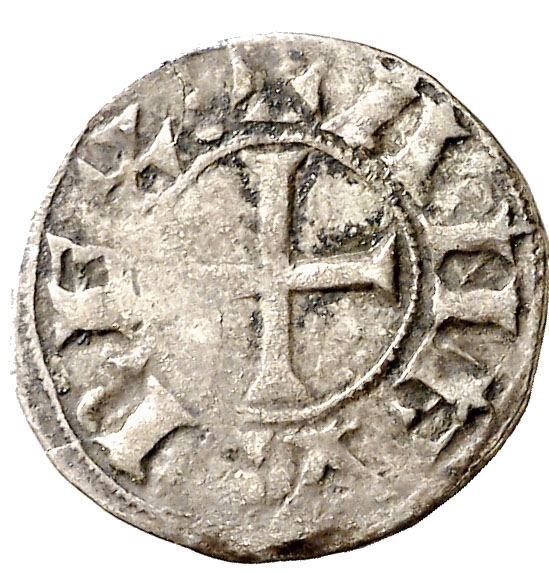 Obverse
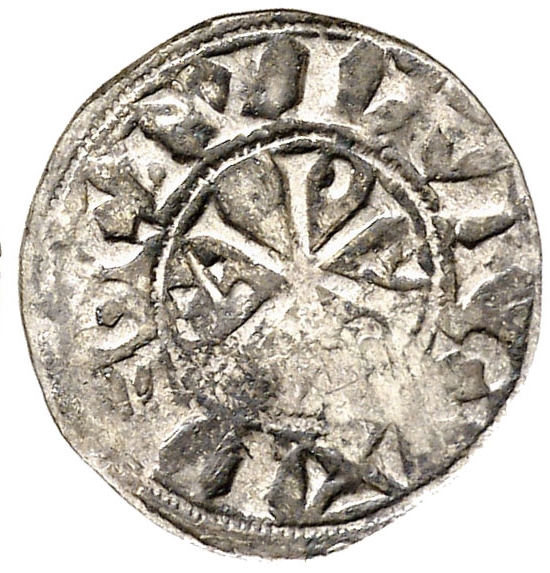 Reverse
Design Features
The Obol coin of Alfonso VI is a striking example of medieval coinage, characterized by its intricate design and craftsmanship. Although specific images are not detailed here, the obverse typically features motifs reflecting the authority and divinity of the king, often incorporating a cross or a similar religious symbol, which was common in the coinage of the era. The reverse side might depict additional symbols of power or inscriptions that authenticate the coin's origin within the Kingdom of Castile and Leon. Such designs not only enhanced the coin's aesthetic appeal but also served as a medium for conveying messages of power and legitimacy.
Technical Specifications
The Obol coin is composed of billon, an alloy of silver and base metals, which was widely used in medieval coinage due to its affordability and durability. Weighing approximately 0.40 grams, this coin is a diminutive yet significant piece of Alfonso VI's monetary system. The use of billon is indicative of the economic conditions of the time, where a balance between precious metal content and practicality was necessary for widespread circulation.
Collectible Value
The collectible value of the Obol coin of Alfonso VI is influenced by several factors, including its rarity, historical significance, and condition. As a coin minted for a brief period in 1108, it is considered a rare find, particularly in good condition. Collectors place a high value on such coins due to their historical context and the role they play in illustrating the numismatic practices of medieval Spain. The market value of this coin can vary significantly, often reflecting its rarity and the demand among numismatists seeking to complete collections of medieval Spanish coinage.
Conclusion
The 1 Obol coin of Alfonso VI from Castile and Leon is more than just a piece of currency; it is a window into the past, offering insights into the economic, political, and cultural dynamics of medieval Spain. Its rarity and historical importance make it a prized possession for collectors and historians alike. As a testament to the legacy of Alfonso VI, this coin continues to captivate those interested in the rich tapestry of European history and the art of numismatics. Whether you are a seasoned collector or a history enthusiast, the Obol coin holds a unique place in the story of medieval monetary systems.

ScanMyCoin: AI Coin Recognition
Professional AI coin recognition and collection management platform. Identify, learn, and track your coin collection with advanced AI technology and a vast.