
Castile and Leon, Kingdom of Denier - Alfonso VII (Leon)
Description:
1 Denier Denier - Alfonso VII (Leon) coin from Castile and Leon, Kingdom of. Design, history & value.
Introduction
The Denier of Alfonso VII from the Kingdom of Castile and Leon is a remarkable artifact of medieval European numismatics. Struck between 1126 and 1157, this coin not only holds monetary value but also serves as a tangible link to the rich history of one of Spain's most significant regions. The Denier is a testament to Alfonso VII's reign and the economic and cultural landscape of medieval Castile and Leon. This article explores the unique features that make this coin a prized possession for collectors and historians alike.
Historical Background
Alfonso VII, also known as Alfonso the Emperor, was a pivotal figure in the medieval history of Spain. His reign marked a period of consolidation and expansion for the Kingdom of Castile and Leon. The issuance of the Denier during his rule reflects the economic strategies employed to strengthen his kingdom's influence. Coins like the Denier were crucial in facilitating trade across Europe, acting as a stable currency in a time when regional and feudal currencies varied greatly in value and trustworthiness. The Denier of Alfonso VII is thus a symbol of the economic ambition and political authority of Castile and Leon during the 12th century.
Coin Images
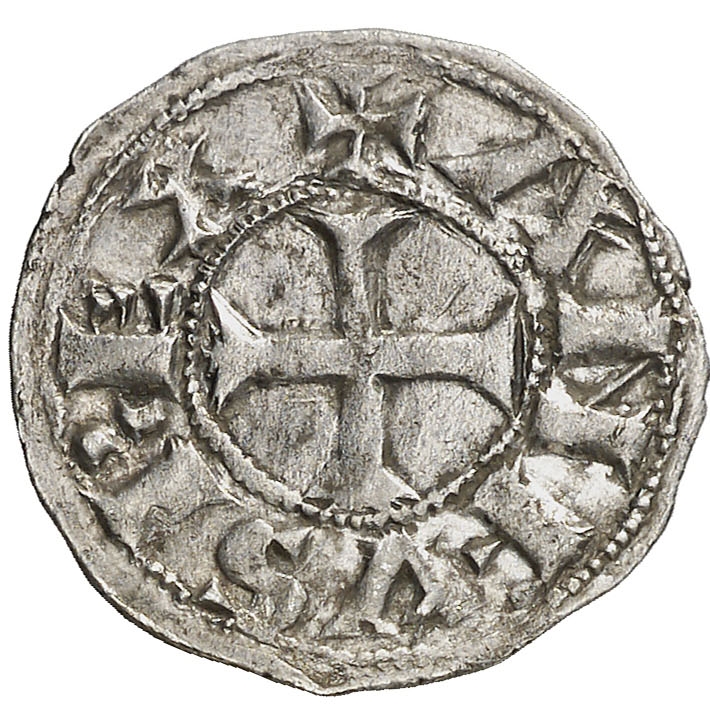 Obverse
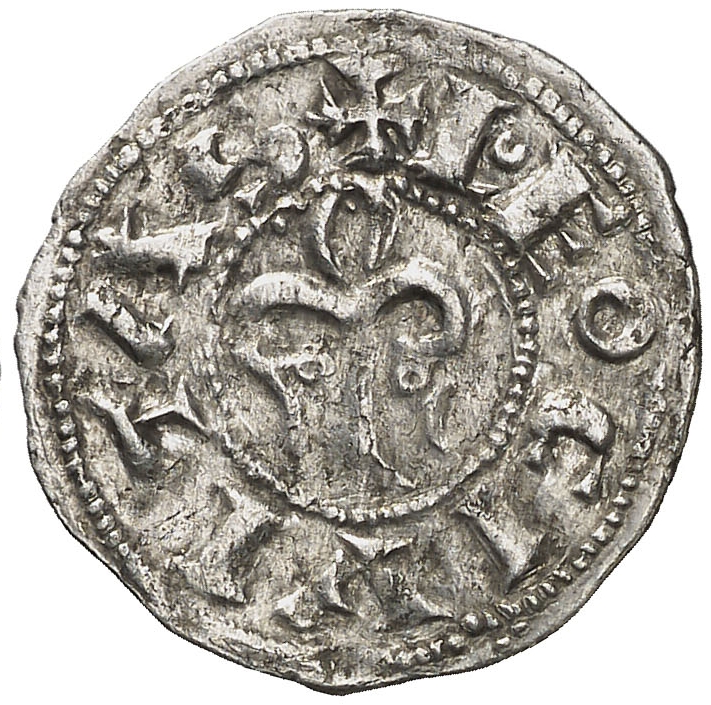 Reverse
Design Features
The design of the Denier is emblematic of the artistry and symbolism prevalent in medieval coinage. On the obverse, the coin typically features a stylized cross, a common motif representing Christian faith and authority. The reverse usually showcases an inscription or emblem indicative of the issuing authority, in this case, the Kingdom of Castile and Leon. The designs are often simple yet powerful, conveying the coin's authenticity and the sovereign power of Alfonso VII. The imagery and inscriptions serve both decorative and practical purposes, ensuring the coin's acceptance and trust in trade.
Technical Specifications
The Denier of Alfonso VII is composed of billon, a type of alloy consisting primarily of silver and copper. This composition was common in medieval coinage, balancing precious metal content with durability. The coin weighs approximately 1.00g, a standard weight for deniers of the period. The coin's size and weight would have been carefully controlled to ensure its utility and acceptance in trade. The use of billon reflects the economic conditions of the time, where limited silver resources necessitated the use of alloyed coinage.
Collectible Value
In the numismatic world, the Denier of Alfonso VII is highly valued for its historical significance and relative rarity. Coins from this era are sought after by collectors interested in medieval European history and the evolution of coinage. The market value of a Denier can vary widely based on its condition, with well-preserved examples fetching higher prices at auctions and sales. The coin's rarity is enhanced by the limited number of surviving specimens, making it a coveted addition to any collection focused on medieval or Iberian coinage.
Conclusion
The Denier of Alfonso VII is more than just a piece of currency; it is a window into the past, offering insights into the economic and cultural history of medieval Spain. Its design, composition, and historical context make it an invaluable asset for collectors and historians. Whether you're a seasoned numismatist or a history enthusiast, this coin represents a unique opportunity to own a piece of the rich tapestry that is European history. The Denier stands as a testament to Alfonso VII's legacy and the enduring allure of medieval coinage.

ScanMyCoin: AI Coin Recognition
Professional AI coin recognition and collection management platform. Identify, learn, and track your coin collection with advanced AI technology and a vast.