
Castile and Leon, Kingdom of Denier - Alfonso VII (Leon)
Description:
1 Denier Denier - Alfonso VII (Leon) coin from Castile and Leon, Kingdom of. Design, history & value.
Introduction
The Denier of Alfonso VII from the Kingdom of Castile and Leon is a captivating piece of medieval numismatic history. Minted between 1126 and 1135, this coin represents the economic and political prowess of Alfonso VII, one of the most influential monarchs of medieval Spain. Collectors and historians alike are drawn to this coin for its historical significance and the glimpse it offers into the monetary practices of the era.
Historical Background
Alfonso VII, known as "Alfonso the Emperor," was a pivotal figure in the history of Spain. His reign marked a period of consolidation and expansion for the Kingdom of Castile and Leon. The Denier coinage, struck during his rule, is a testament to the kingdom's economic vitality and the monarch's ambition to establish a unified Christian kingdom. These coins circulated widely, facilitating trade and asserting Alfonso's authority across his territories. The Denier is not just a piece of currency; it is a symbol of a burgeoning kingdom on the Iberian Peninsula during the 12th century.
Coin Images
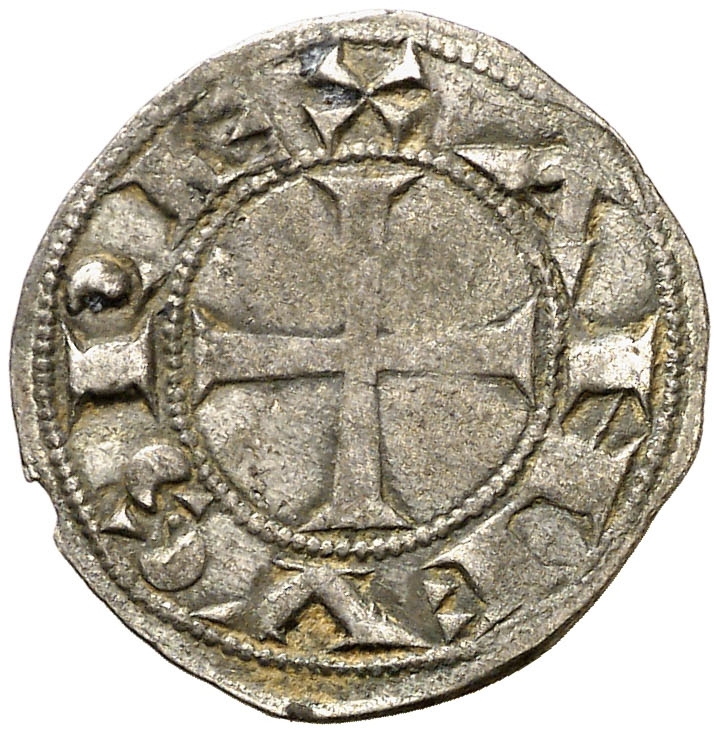 Obverse
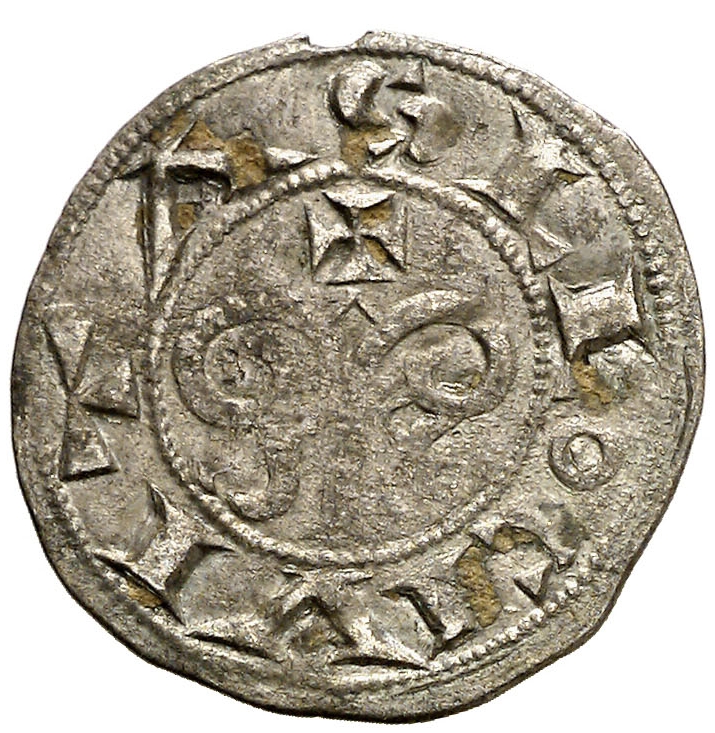 Reverse
Design Features
Images of the Denier will reveal its intricate design, characteristic of the period's coinage. The obverse typically features the stylized portrait of Alfonso VII, adorned with a crown, signifying his royal status and authority. The legend surrounding the portrait often includes his name and title, emphasizing his legitimacy and power. On the reverse, one might find a cross or other religious iconography, reflecting the era's deep-seated Christian beliefs and the church's influence on governance. The simplicity yet elegance of these designs speak to the craftsmanship and the symbolic messaging intended by the mint.
Technical Specifications
The Denier of Alfonso VII is composed of billon, an alloy of silver and copper, which was common for coinage of that period due to the scarcity of pure silver. The coin typically weighs around 1.00 gram, making it a lightweight yet durable currency option for medieval transactions. While the precise diameter can vary slightly, these coins were designed to be easily handled and recognized by merchants and commoners alike. The use of billon reflects the economic conditions of the time, where maintaining a balance between valuable metal content and practical minting considerations was crucial.
Collectible Value
For numismatists, the Denier of Alfonso VII is a valuable addition to any collection of medieval European coinage. Its rarity and historical context make it a sought-after item. The market value of such a coin can vary significantly based on its condition, provenance, and market demand at the time of sale. Coins in excellent condition with clear, legible inscriptions can command higher prices, while those with historical documentation or unique minting errors may also be more valuable. The Denier's appeal lies in its direct connection to a transformative period in Spain's history, making it an attractive acquisition for collectors seeking depth and narrative in their collections.
Conclusion
The Denier of Alfonso VII from the Kingdom of Castile and Leon is more than just a piece of currency; it is a fragment of history that encapsulates the spirit of an era marked by growth, religious fervor, and royal ambition. Its design details, composition, and historical significance render it a remarkable artifact for both collectors and historians. As a numismatic piece, it offers invaluable insights into the economic strategies and cultural priorities of medieval Spain. Whether held in a personal collection or displayed in a museum, the Denier of Alfonso VII continues to captivate and educate, preserving the legacy of a powerful monarch and his kingdom.

ScanMyCoin: AI Coin Recognition
Professional AI coin recognition and collection management platform. Identify, learn, and track your coin collection with advanced AI technology and a vast.