

British East Indies British East Indies 1 duit, 1813-1814
Posted on: December 2, 2025
keywords: British East Indies, British East Indies 1 duit, 1813-1814, 1 duit, coin collecting, numismatics, British East Indies
Description:
1 duit British East Indies 1 duit, 1813-1814 coin from British East Indies. Design, history & value.
Title: British East Indies 1 Duit 1813-1814 Tin Coin - Rare Java Currency Description: Explore the British East Indies 1 duit tin coin from 1813-1814, a rare Java currency with historical significance. Keywords: British East Indies, 1 duit, 1813-1814, Java, tin coin, numismatics, collectible, rarity Main Content:
- Introduction: The British East Indies 1 duit coin minted between 1813 and 1814 holds a special place in numismatic history. As a tin coin from Java, it represents a unique blend of colonial heritage and local currency used during the British presence in the East Indies.
- Historical Background: Issued by the British East Indies during their rule over Java from 1811 to 1817, these coins were part of the effort to establish a stable monetary system in the region. The 1 duit denomination served as a practical unit for everyday transactions among the local population.
- Design Features: The obverse of the coin features the abbreviation "VEIC" standing for "Vereenigde Oostindische Compagnie," the Dutch East India Company. On the reverse, the inscription "1 DOIT" above "JAVA" indicates the denomination and origin of the coin. The simple yet elegant design reflects the utilitarian nature of the currency.
- Technical Specifications: With a weight of 6.07g and a diameter of 24.50mm, the British East Indies 1 duit coin is relatively small but substantial for its tin composition. The choice of tin for minting these coins was common during this period due to the availability of the metal in the region.
- Collectible Value: Today, the British East Indies 1 duit tin coin is a sought-after collectible due to its historical significance and relative rarity. The limited mintage during a short period adds to its appeal among numismatists interested in British colonial coins or Java's numismatic history. While values may vary based on condition and market demand, these coins often command respectable prices at auctions and among collectors.
- Conclusion: In conclusion, the British East Indies 1 duit tin coin from 1813-1814 stands as a fascinating piece of colonial numismatic history. Its unique design, historical context, and collectible value make it a prized addition to any coin collection. Whether for its aesthetic appeal, historical significance, or investment potential, this coin offers a window into the intricate world of British East Indies coinage and Java's numismatic heritage.
Coin Images
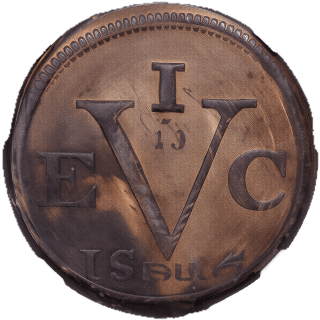 Obverse
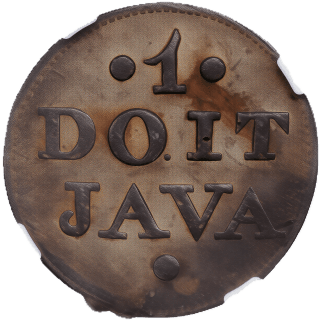 Reverse

ScanMyCoin: AI Coin Recognition
Professional AI coin recognition and collection management platform. Identify, learn, and track your coin collection with advanced AI technology and a vast.