

British East Indies British East Indies ½ stuiver, 1811-1815
Description:
½ stuiver British East Indies ½ stuiver, 1811-1815 coin from British East Indies. Design, history & value.
Introduction
The British East Indies ½ Stuiver coin from 1811 to 1815 holds a significant place in numismatic history. As a copper coin minted in Java during British rule, this coin bears witness to a pivotal era in colonial currency production.
Historical Background
Issued during the British occupation of Java (1811-1817), these coins were part of the currency system established by the British East India Company. The ½ Stuiver denomination served as a crucial medium of exchange in the region, facilitating trade and commerce.
Coin Images
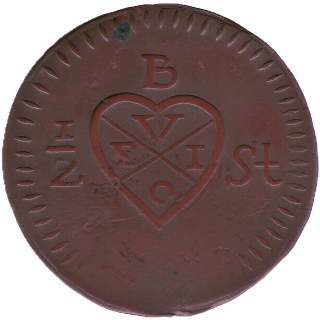 Obverse
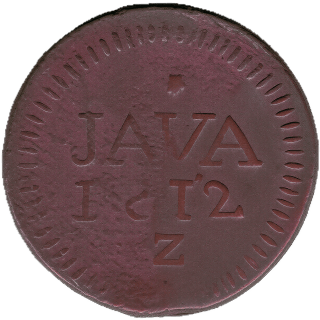 Reverse
Design Features
The obverse of the coin features the inscription "1/2 St / B / VEIC," signifying its denomination and the issuing authority, the British East Indies. On the reverse side, the word "JAVA" is prominently displayed alongside the letter "Z," representing the mintmark.
Technical Specifications
This ½ Stuiver coin weighs 5.00 grams and has a diameter of 26.00mm. Crafted from copper, it showcases intricate detailing characteristic of coins from this period.
Collectible Value
The British East Indies ½ Stuiver coin is prized by collectors for its historical significance and unique design elements. Its connection to the colonial past and limited mintage make it a sought-after piece among numismatists. The market value of these coins varies based on factors such as condition and rarity, with well-preserved specimens commanding higher prices.
Conclusion
In conclusion, the British East Indies ½ Stuiver coin of 1811-1815 stands as a testament to the intersection of history and numismatics. With its fascinating design, historical context, and collectible appeal, this coin holds a special place in the world of coin collecting. By delving into the intricate details and historical background of the British East Indies ½ Stuiver coin, collectors and enthusiasts alike can gain a deeper appreciation for this unique piece of numismatic history.

ScanMyCoin: AI Coin Recognition
Professional AI coin recognition and collection management platform. Identify, learn, and track your coin collection with advanced AI technology and a vast.