

British East Africa British East Africa 1 cent, 1920
Description:
1 cent British East Africa 1 cent, 1920 coin from British East Africa. Design, history & value.
Introduction
The British East Africa 1 cent coin of 1920 holds a special place in numismatic history, representing a bygone era of British colonial presence in East Africa. This coin serves as a testament to the economic and political influence of the British Empire in the region during the early 20th century.
Historical Background
Issued by British East Africa, this 1 cent coin was part of the Florin series minted from 1920 to 1921. British East Africa, a former colonial territory encompassing modern-day Kenya, Uganda, and Tanzania, used a currency system that reflected its ties to the British Crown. The reign of King George V marked a period of transition and change for British colonies, reflected in the coinage of the time.
Coin Images
 Obverse
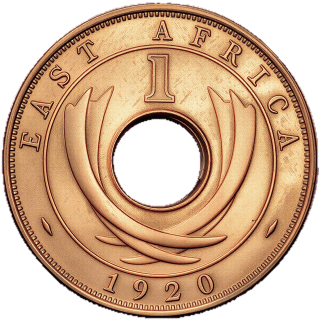 Reverse
Design Features
The obverse of the coin features the portrait of King George V, with the inscription "GEORGIVS V REX ET IND: IMP:" encircling the effigy. The reverse side displays the numeral "1" above the legend "EAST AFRICA," emphasizing the coin's place of circulation and issuance. The simplicity and elegance of the design capture the essence of British colonial numismatics.
Technical Specifications
This 1 cent coin has a weight of 3.00 grams and a diameter of 22.40mm. It is composed of copper-nickel, a common alloy used in circulating coinage during that period. The meticulous craftsmanship and standard specifications make this coin a fine example of early 20th-century British minting.
Collectible Value
The British East Africa 1 cent coin from 1920 holds both historical and collectible significance. Its association with the British Empire and the colonial past adds to its appeal among numismatists interested in British colonial coinage. The coin's limited mintage and age contribute to its rarity, enhancing its value to collectors seeking unique pieces from this era. In the current numismatic market, the British East Africa 1 cent coin, especially in well-preserved condition, commands interest and value among collectors. Its historical context and design elements make it a desirable addition to any coin collection focused on British colonial issues or early 20th-century coinage.
Conclusion
In conclusion, the British East Africa 1 cent coin of 1920 stands as a symbol of British colonial heritage and numismatic artistry. Its historical significance, coupled with its elegant design and collectible value, make it a prized possession for both seasoned collectors and enthusiasts exploring the rich history of British coinage in East Africa. Acquiring this coin not only adds a piece of history to a collection but also serves as a tangible connection to a bygone era of imperial coinage. By delving into the world of the British East Africa 1 cent coin, collectors can uncover a treasure trove of stories and significance encapsulated within this small yet impactful piece of numismatic history.

ScanMyCoin: AI Coin Recognition
Professional AI coin recognition and collection management platform. Identify, learn, and track your coin collection with advanced AI technology and a vast.