

British East Africa British East Africa 50 cents, 1921-1924
Description:
50 cents British East Africa 50 cents, 1921-1924 coin from British East Africa. Design, history & value.
1. Introduction
The British East Africa 50 cents coin, minted from 1921 to 1924, holds a significant place in numismatic history. As part of the British East Africa shilling series, this coin showcases exquisite craftsmanship and historical importance.
2. Historical Background
Issued by British East Africa, this coin reflects the colonial influence in the region during the early 20th century. With King George V depicted on the obverse, it symbolizes the British Empire's presence in East Africa.
3. Design Features
The obverse of the coin features the inscription "GEORGIVS V REX ET IND: IMP:" around the bust of King George V. The reverse side displays the denomination "50," "EAST AFRICA," "FIFTY CENTS," and "HALF SHILLING" in a well-organized layout.
4. Technical Specifications
This silver coin weighs 3.89g with a diameter of 21.10mm. Composed of 0.250 silver, it represents a standard of purity common in early 20th-century coinage.
5. Collectible Value
Due to its historical significance and limited mintage period, the British East Africa 50 cents coin is highly sought after by collectors. Its rarity adds to its allure, making it a prized possession for numismatists interested in African colonial coinage.
6. Conclusion
In conclusion, the British East Africa 50 cents silver coin of 1921-1924 stands as a testament to the colonial past of East Africa. Its unique design, historical context, and collectible value make it a valuable addition to any coin collection, bridging the gap between numismatics and history. By delving into the intricacies of this coin, collectors and enthusiasts gain a deeper appreciation for the artistry and historical narratives encapsulated within the British East Africa 50 cents silver coin.
Coin Images
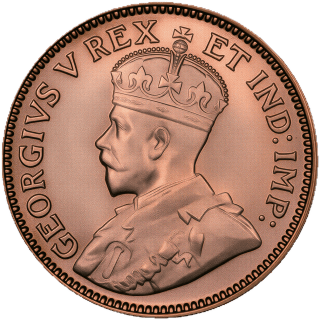 Obverse
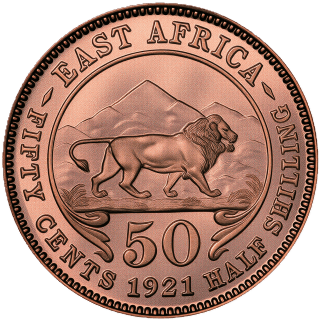 Reverse

ScanMyCoin: AI Coin Recognition
Professional AI coin recognition and collection management platform. Identify, learn, and track your coin collection with advanced AI technology and a vast.