

British East Africa British East Africa 1 cent, 1911-1918
Description:
1 cent British East Africa 1 cent, 1911-1918 coin from British East Africa. Design, history & value.
Introduction
The British East Africa 1 cent coin minted between 1911 and 1918 stands as a numismatic treasure embodying the colonial history of the region. With intricate designs and historical significance, this coin captures the essence of British East Africa's past.
Historical Background
Issued by the British East Africa Protectorate, the 1 cent coin was part of a series of coins struck during the reign of King George V. The British East Africa Protectorate encompassed present-day Kenya, Uganda, and Tanzania, under British control during the early 20th century. The coinage played a vital role in facilitating trade and commerce within the region.
Coin Images
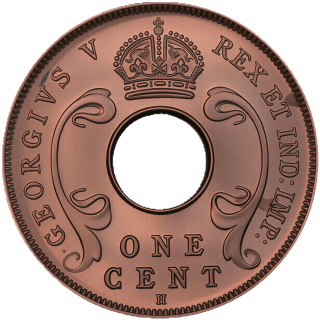 Obverse
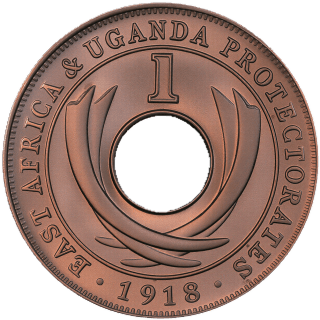 Reverse
Design Features
The obverse of the coin features the effigy of King George V, with the inscription "GEORGIVS V REX ET IND: IMP: ONE CENT." The reverse showcases the inscription "EAST AFRICA & UGANDA PROTECTORATES" encircling the coin's denomination. These designs symbolize the British colonial presence in East Africa and underscore the Protectorate's authority over the region.
Technical Specifications
This 1 cent coin is composed of copper-nickel, weighing 2.80 grams and measuring 22.30mm in diameter. The coin's specifications adhere to the standard set for small denominations during that era, ensuring ease of use in daily transactions.
Collectible Value
The British East Africa 1 cent coin from 1911-1918 holds significant value among collectors and numismatists. Its historical relevance, coupled with limited minting years, contributes to its desirability. Collectors seek out this coin for its connection to a bygone era and the intricate details that reflect the colonial heritage of East Africa. In the numismatic market, the British East Africa 1 cent coin commands attention for its scarcity and unique design elements. Its value may vary based on the coin's condition, rarity, and demand among collectors. Those interested in acquiring this piece of history should consider consulting with reputable numismatic experts to assess its market value accurately.
Conclusion
In conclusion, the British East Africa 1 cent coin from 1911-1918 serves as a window to the colonial past of East Africa. Its striking design, historical significance, and collectible value make it a prized possession for numismatists and history enthusiasts alike. Owning this coin not only adds a valuable piece to a collection but also preserves a tangible link to a pivotal period in the region's history. By delving into the world of British East Africa's numismatic heritage through this coin, collectors can appreciate the artistry, craftsmanship, and historical context encapsulated within its small yet significant form. The British East Africa 1 cent coin stands as a testament to a bygone era, reminding us of the rich tapestry of history woven into every numismatic treasure.

ScanMyCoin: AI Coin Recognition
Professional AI coin recognition and collection management platform. Identify, learn, and track your coin collection with advanced AI technology and a vast.