

British East Africa British East Africa 10 cents, 1911-1918
Description:
10 cents British East Africa 10 cents, 1911-1918 coin from British East Africa. Design, history & value.
Introduction
The British East Africa 10 cents coin minted between 1911 and 1918 holds a special place in numismatic history. Issued by the British East Africa Protectorate during the reign of King George V, this coin offers a fascinating glimpse into the colonial era in East Africa.
Historical Background
British East Africa, comprising territories in present-day Kenya, Uganda, and Tanzania, saw the circulation of this 10 cents coin as part of the British currency system. The coin's issuance aimed to facilitate trade and commerce within the protectorate and surrounding regions.
Coin Images
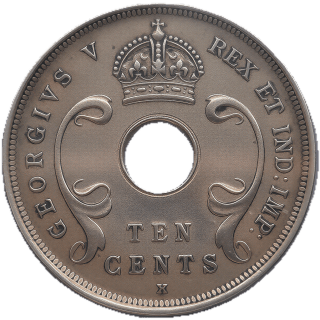 Obverse
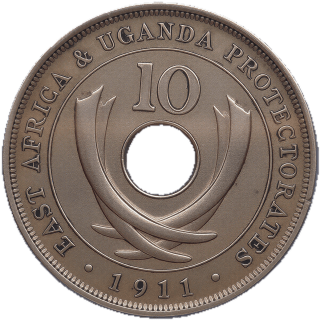 Reverse
Design Features
The obverse of the coin features the bust of King George V with the inscription "GEORGIVS V REX ET IND: IMP:" encircling the portrait. The denomination "TEN CENTS" is also inscribed on this side. On the reverse, the numeral "10" is prominently displayed above the legend "EAST AFRICA & UGANDA PROTECTORATES."
Technical Specifications
This coin, made of copper-nickel, weighs 11.30 grams and has a diameter of 31.00mm. The intricate designs on both sides showcase the craftsmanship of the era and add to its numismatic appeal.
Collectible Value
The British East Africa 10 cents coin is a sought-after collectible due to its historical significance and limited mintage period. Its market value varies based on factors like condition, rarity, and collector demand. Well-preserved specimens with minimal wear command higher prices among numismatists.
Conclusion
In conclusion, the British East Africa 10 cents coin from 1911-1918 is not just a piece of currency but a tangible link to the colonial past of East Africa. Its unique design, historical context, and collectible value make it a prized possession for both coin enthusiasts and historians alike. Owning this coin allows one to hold a piece of history in their hands and appreciate the craftsmanship and legacy it represents.

ScanMyCoin: AI Coin Recognition
Professional AI coin recognition and collection management platform. Identify, learn, and track your coin collection with advanced AI technology and a vast.