

Ayodhya, City of ⅛ Karshapana - Praushthadeva
Description:
⅛ Karshapana ⅛ Karshapana - Praushthadeva coin from Ayodhya, City of. Design, history & value.
[SEO TITLE]: Ayodhya's ⅛ Karshapana - Praushthadeva: A Bronze Numismatic Treasure [SEO DESCRIPTION]: Discover Ayodhya's rare ⅛ Karshapana coin's history and design. [KEYWORDS]: Ayodhya, ⅛ Karshapana, Praushthadeva, bronze coin, ancient coin
Introduction
The ⅛ Karshapana - Praushthadeva coin from Ayodhya is a captivating piece of ancient numismatic art that offers a glimpse into the rich cultural and historical tapestry of early Indian civilization. Minted between the 1st and 100th year, this bronze coin is a testament to the advanced metallurgical and artistic skills prevalent in the ancient city of Ayodhya. It holds immense value not only for coin collectors but also for historians and enthusiasts interested in the economic and cultural history of ancient India.
Historical Background
Ayodhya, an ancient city known for its historical and mythological significance, served as the issuing authority for the ⅛ Karshapana coin. This coin was circulated during a time when Ayodhya was a flourishing center for trade and culture. The coin's issuance under the name "Praushthadeva" suggests it may have been minted during the reign of a ruler or a prominent figure bearing this title, reflecting the socio-political dynamics and governance of the region during that period. Understanding the historical context of this coin enhances our appreciation of its role in the broader narrative of trade, commerce, and governance in ancient India.
Coin Images
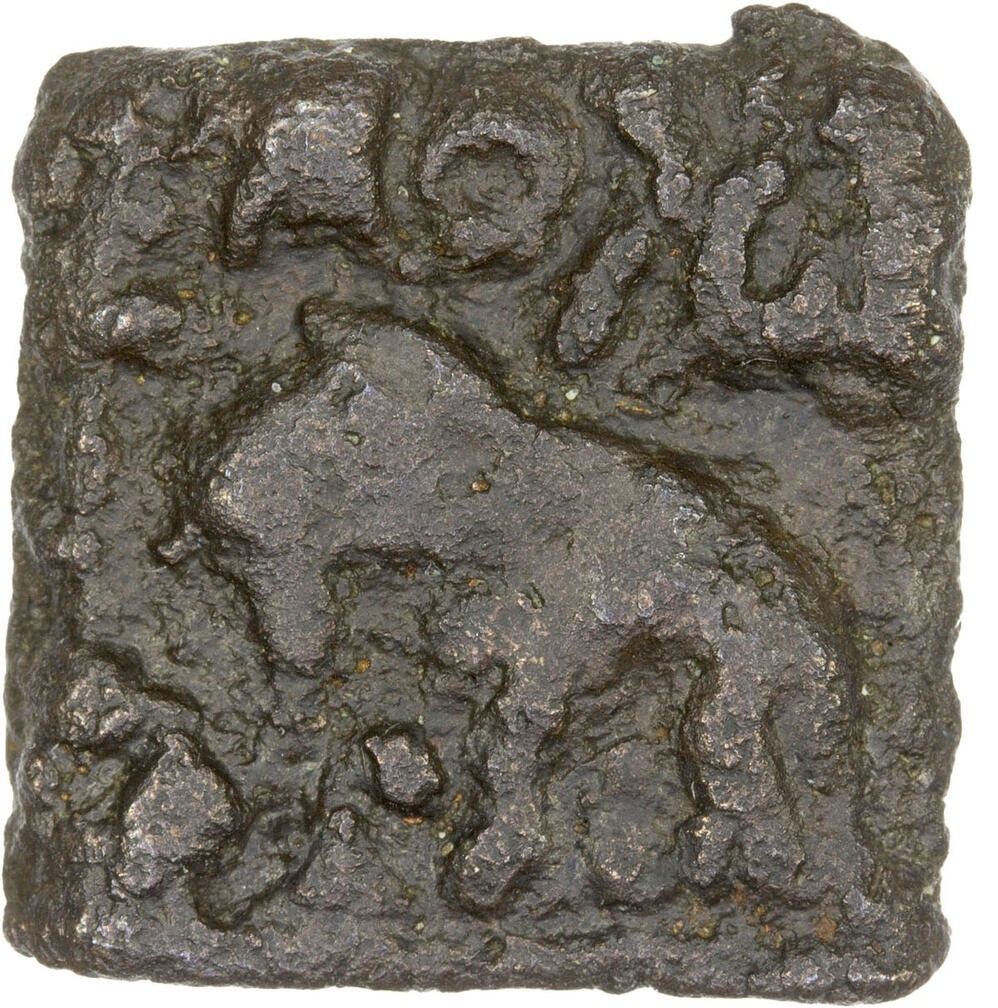 Obverse
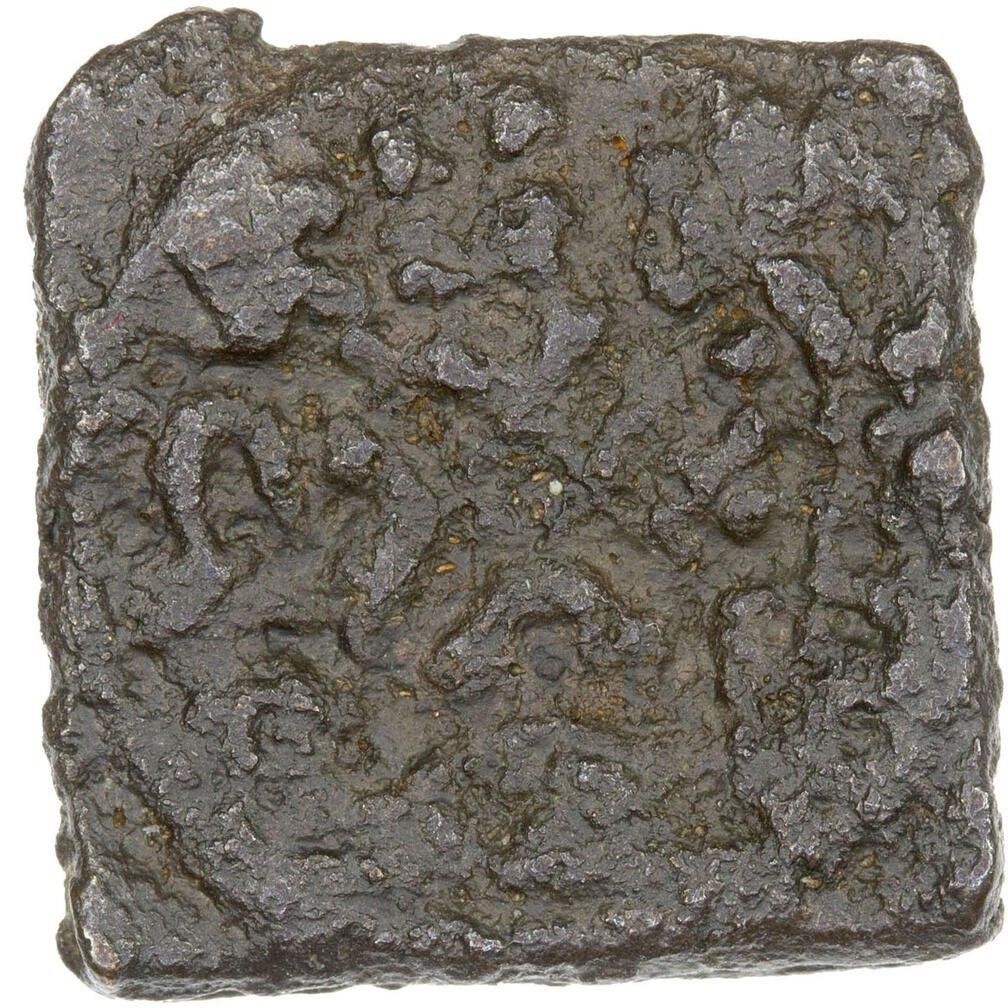 Reverse
Design Features
Obverse Design
The obverse of the ⅛ Karshapana features a regal elephant facing left, a symbol often associated with strength, wisdom, and royal power in Indian culture. To the left of the elephant is the 'indradhvaja', a sacred standard or banner that signifies divine protection and victory. The legend "pathadevasa" is inscribed, possibly indicating the coin's authority or dedication.
Reverse Design
The reverse side is a rich tapestry of symbolism, featuring a railed tree, a common motif in ancient Indian art representing life and prosperity. Accompanying it are a Naga symbol, hill, Ujjain symbol, and a swastika within a circular frame. Each element carries deep spiritual and cultural significance, reflecting the religious and philosophical beliefs of the time. These intricate designs make the coin not only a medium of trade but also a piece of art and spiritual expression.
Technical Specifications
The ⅛ Karshapana coin is crafted from bronze, a metal choice that was both practical and symbolic of the era. Weighing 2.16 grams, the coin's size and weight were carefully calibrated to facilitate ease of use in trade while demonstrating the economic priorities of Ayodhya's society. The use of bronze, a durable yet accessible material, underscores the coin's utility and the metallurgical advancements of the period.
Collectible Value
In the numismatic community, the ⅛ Karshapana - Praushthadeva holds a special place due to its rarity and the rich historical narrative it embodies. Coins from ancient Ayodhya are highly sought after, with collectors and historians eager to possess a piece of this storied past. The coin's market value is influenced by its condition, rarity, and historical significance, making it a prized addition to any collection focused on ancient Indian coinage.
Conclusion
The ⅛ Karshapana - Praushthadeva coin is more than just an ancient currency; it is a window into the past that illuminates the cultural, economic, and spiritual life of early Ayodhya. Its intricate designs and historical significance make it a valuable artifact for collectors and historians alike. As a piece of ancient artistry and a symbol of a bygone era, this coin continues to captivate and inspire those who seek to understand the rich legacy of ancient Indian civilization.

ScanMyCoin: AI Coin Recognition
Professional AI coin recognition and collection management platform. Identify, learn, and track your coin collection with advanced AI technology and a vast.