

Alchon Huns Æ Stater - Successors of Toramana II (Uncertain Issuer)
Description:
Bronze Stater Æ Stater - Successors of Toramana II (Uncertain Issuer) coin from Alchon Huns. Design, history & value.
[SEO TITLE]: Discover the Alchon Huns Æ Stater - Successors of Toramana II Bronze Coin [SEO DESCRIPTION]: Unearth the allure of the Alchon Huns Æ Stater, a rare bronze coin from 570-585. [KEYWORDS]: Alchon Huns, Æ Stater, Toramana II, bronze coin, numismatics, ancient coins, collectible
Introduction
The Æ Stater coin of the Alchon Huns, specifically the Successors of Toramana II, stands as a fascinating piece of ancient numismatic history. This bronze coin, minted between 570 and 585 AD, embodies the cultural and historical transitions of its era. It offers an intriguing glimpse into the legacy of the Alchon Huns, a group known for their significant influence in ancient Central and South Asia. As a collector or enthusiast, understanding the value and story behind this coin enriches any numismatic collection.
Historical Background
The Alchon Huns were a branch of the Hunnic tribes that exerted considerable power across Central Asia and northern India during the late antiquity period. Their reign marked a pivotal time of change, characterized by both warfare and cultural assimilation. The Æ Stater, attributed to the successors of Toramana II, reflects a period of transition following the decline of the Alchon Huns' dominance. Toramana II, a notable ruler of this era, is often linked to attempts at consolidating power and maintaining the Hunnic legacy amidst the rise of regional powers. This coin thus serves as a historical artifact from a time when the Alchon Huns were navigating the complex political landscapes of post-Gupta India.
Coin Images
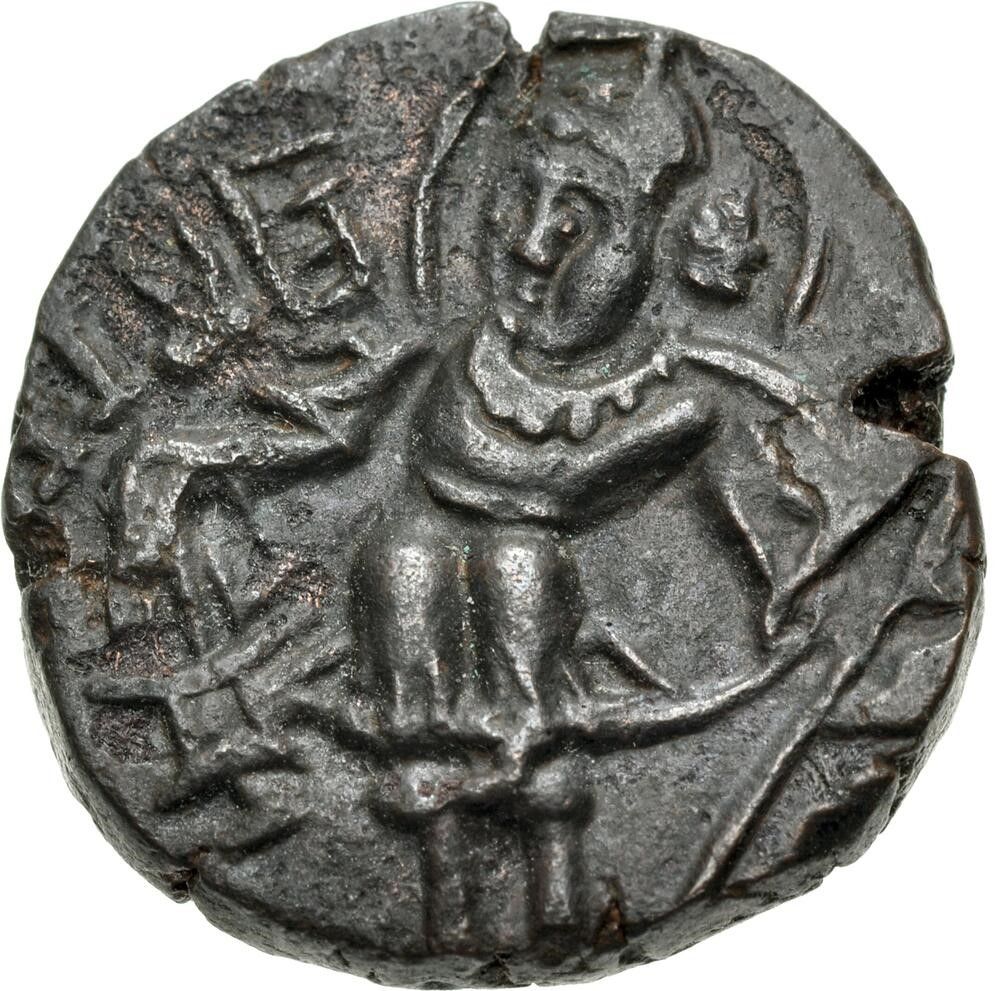 Obverse
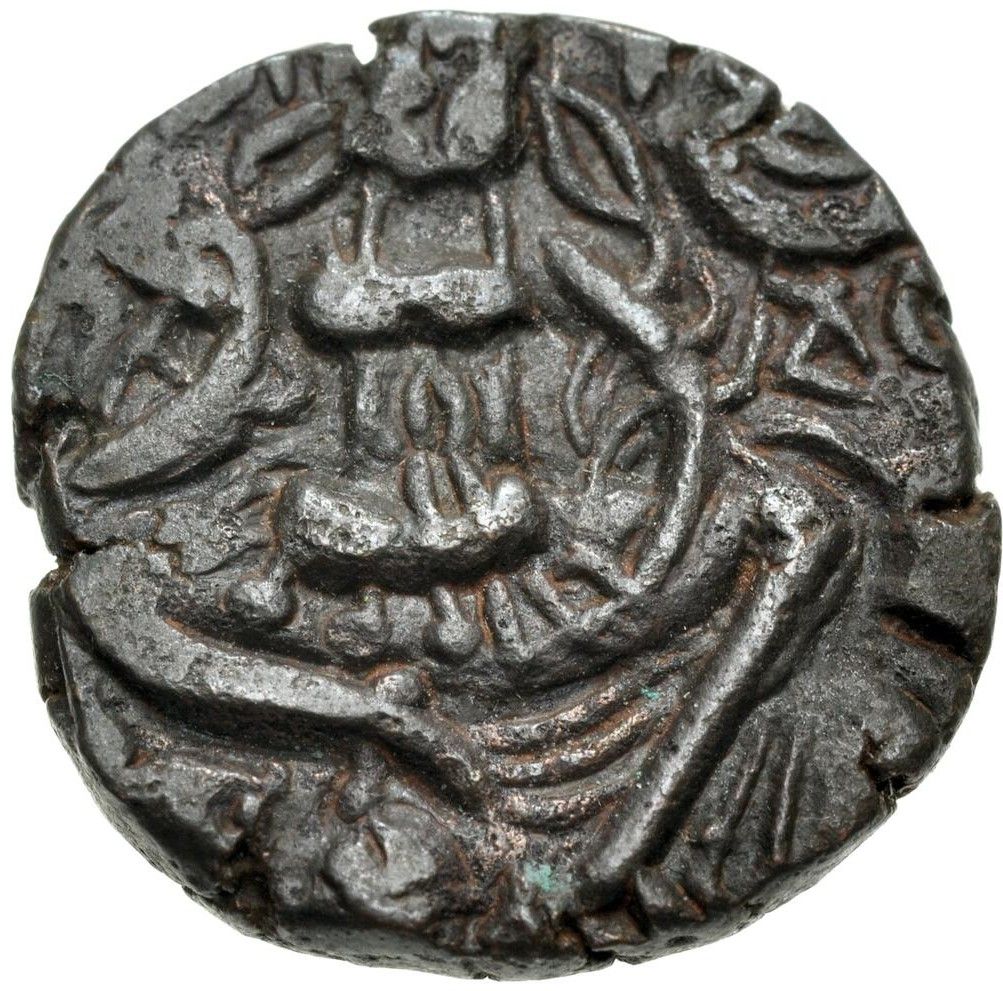 Reverse
Design Features
The design of the Æ Stater is rich in symbolism and artistry, reflective of the Hunnic influence and their interactions with other cultures. On the obverse, the depiction of Toranama standing slightly left, sacrificing over an altar while holding a trident, signifies religious and royal authority. The trident, a symbol of power and divine protection, underscores the ruler's connection to both spiritual and temporal realms. The reverse of the coin features Ardoxsho, a deity of prosperity, seated facing forward. She holds a diadem, symbolizing sovereignty, and a cornucopia, an emblem of abundance. At her feet lies a lion, a creature often associated with guardianship and strength. This iconography not only highlights the ruler's divine endorsement but also the Alchon Huns' aspirations for prosperity and stability.
Technical Specifications
The Æ Stater is crafted from copper, with a weight of approximately 6.98 grams and a diameter of 20.00 mm. This makes it a substantial coin for its time, evidencing advanced metallurgical techniques and economic considerations. The choice of bronze, a durable and widely circulated material, suggests the coin was intended for significant trade and transactions within the region.
Collectible Value
From a numismatic perspective, the Æ Stater is a prized collectible due to its rarity and the rich historical narrative it offers. Coins from the Alchon Huns, especially those attributed to the successors of Toramana II, are scarce, making them highly sought after by collectors and historians alike. The market value of such a coin can vary widely based on condition, provenance, and historical documentation. However, its rarity and the story it tells about a key period in Asian history enhance its collectible appeal.
Conclusion
The Æ Stater - Successors of Toramana II is more than just a coin; it is a testament to the historical and cultural shifts during a transformative era in South Asian history. Its design and symbolism offer insights into the Hunnic influence and the complexities of their reign. For collectors and historians, this coin is a valuable piece of history that bridges the past with the present, providing a tangible connection to the fascinating narrative of the Alchon Huns.

ScanMyCoin: AI Coin Recognition
Professional AI coin recognition and collection management platform. Identify, learn, and track your coin collection with advanced AI technology and a vast.