
Austria Austria 1 florin, 1857-1865
Description:
1 florin Austria 1 florin, 1857-1865 coin from Austria. Design, history & value.
Introduction
The Austria 1 florin coin minted from 1857 to 1865 holds a significant place in numismatic history. This silver coin, part of the Austro-Hungarian gulden currency system, showcases the artistry and historical context of the era.
Historical Background
Issued by Austria, the coin reflects the reign of Emperor Franz Joseph I. During this period, Austria faced political and social transformations, making these coins valuable artifacts of the time.
Coin Images
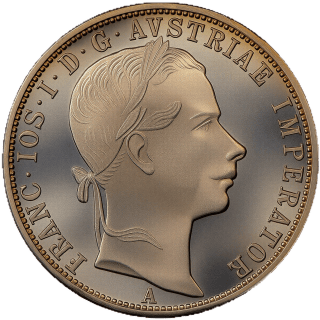 Obverse
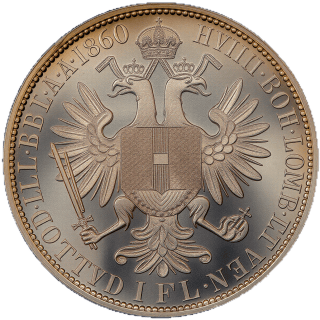 Reverse
Design Features
The obverse of the coin bears the inscription "FRANC IOS I D G AVSTRIAE IMPERATOR," honoring Emperor Franz Joseph I. The reverse features the denomination "1 FL" surrounded by the territories under Austrian rule, including Hungary, Bohemia, Lombardy, Venetia, Galicia, Lodomeria, and Illyria.
Technical Specifications
This 1 florin coin weighs 12.34 grams and has a diameter of 29.24mm. Composed of 90% silver, it exemplifies the standard of quality and craftsmanship of Austrian minting.
Collectible Value
The Austria 1 florin coin from 1857-1865 holds both historical and collectible significance. Its association with Emperor Franz Joseph I and the Austro-Hungarian Empire increases its desirability among numismatists. Depending on the condition and rarity, these coins can command a premium in the collector's market.
Conclusion
In conclusion, the Austria 1 florin coin of 1857-1865 encapsulates a pivotal period in Austrian history. Its exquisite design, historical context, and collectible value make it a prized possession for coin enthusiasts and historians alike. By following this structured approach, you can create a comprehensive and engaging article that meets the requirements of SEO optimization for numismatic content.

ScanMyCoin: AI Coin Recognition
Professional AI coin recognition and collection management platform. Identify, learn, and track your coin collection with advanced AI technology and a vast.