

Austria Austria ¼ florin, 1866
Description:
¼ florin Austria ¼ florin, 1866 coin from Austria. Design, history & value.
Introduction
The Austria ¼ florin 1866 silver coin holds a special place in numismatic history, representing a significant era in Austrian coinage. This coin's intricate design and historical background make it a coveted piece among collectors worldwide.
Historical Background
Issued by Austria in 1866, this coin was part of the Austro-Hungarian gulden currency system that was in circulation from 1857 to 1892. During this period, Austria-Hungary was a powerful empire with vast territories in Central Europe.
Coin Images
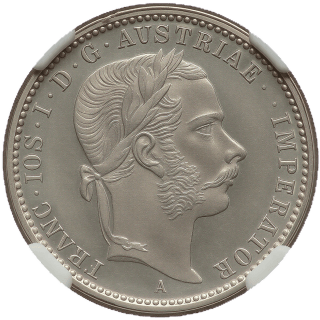 Obverse
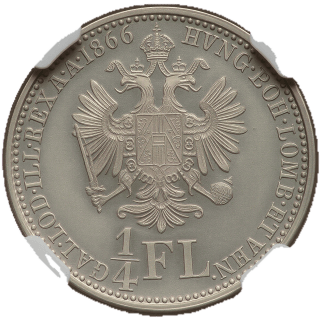 Reverse
Design Features
The obverse of the coin features the inscription "FRANC IOS I D G AVSTRIAE IMPERATOR," showcasing the profile of Emperor Franz Joseph I of Austria. On the reverse side, the coin displays "1/4 FL / HVNG BOH LOMB ET VEN GAL LOD ILL REX A A," denoting the denomination and the territories under Austrian rule.
Technical Specifications
This ¼ florin coin is composed of 0.520 silver, weighing 5.34 grams with a diameter of 24.00mm. The coin's specifications reflect the standard of quality and craftsmanship maintained by the Austrian mint during that period.
Collectible Value
Due to its historical significance and intricate design, the Austria ¼ florin 1866 silver coin holds both numismatic and historical value. Collectors are drawn to this coin for its rarity and unique representation of the Austro-Hungarian Empire. The market value of this coin can vary based on its condition, mintage numbers, and collector demand.
Conclusion
In conclusion, the Austria ¼ florin 1866 silver coin stands as a testament to the rich numismatic heritage of Austria and the Austro-Hungarian Empire. Its detailed design, historical context, and collectible value make it a prized possession for coin enthusiasts and historians alike. Acquiring this coin not only adds a valuable piece to a collection but also a piece of history that continues to fascinate collectors worldwide.

ScanMyCoin: AI Coin Recognition
Professional AI coin recognition and collection management platform. Identify, learn, and track your coin collection with advanced AI technology and a vast.