

Würzburg Würzburg 20 kreuzer, 1795
Description:
20 kreuzer Würzburg 20 kreuzer, 1795 coin from Würzburg. Design, history & value.
1. Introduction
The Würzburg 20 kreuzer coin minted in 1795 holds a significant place in numismatic history, showcasing the artistry and heritage of the Bishopric of Würzburg during the late 18th century.
2. Historical Background
The coin was issued by the Bishopric of Würzburg, a ecclesiastical principality in Franconia, Germany. In 1795, Georg Karl von Fechenbach, the Prince-Bishop of Würzburg, oversaw the production of these coins during a period of political and social change in Europe.
3. Design Features
The obverse of the coin features the inscription "GEORG CAROL D G EP WIRC S R I P F O DUX" surrounding a portrait of Georg Karl von Fechenbach. The reverse displays the denomination "20" within a wreath, with the legend "60 E F MARK / S KILIANUS CUM SOCIIS FRANCORUM APOST" around it, honoring Saint Kilian and the apostles.
4. Technical Specifications
This 20 kreuzer coin is crafted from silver, weighing 6.68 grams with a diameter of 28.50mm. The intricate designs on both sides of the coin showcase the skilled craftsmanship of the minters during that era.
5. Collectible Value
Due to its historical significance and limited mintage, the Würzburg 20 kreuzer 1795 coin is highly sought after by collectors. Its rarity and connection to the Bishopric of Würzburg make it a valuable addition to any numismatic collection. The market value of this coin can vary based on its condition and demand among collectors.
6. Conclusion
In conclusion, the Würzburg 20 kreuzer 1795 silver coin stands as a testament to the rich history and artistry of the Bishopric of Würzburg. Its unique design, historical context, and collectible value make it a prized possession for both numismatists and history enthusiasts alike. By exploring the intricacies of this coin, collectors can delve into a fascinating chapter of German numismatic heritage, appreciating the craftsmanship and symbolism embedded in each minted piece.
Coin Images
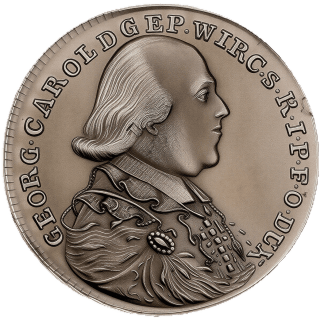 Obverse
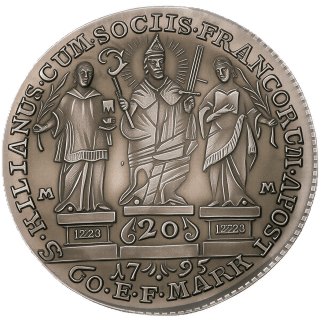 Reverse

ScanMyCoin: AI Coin Recognition
Professional AI coin recognition and collection management platform. Identify, learn, and track your coin collection with advanced AI technology and a vast.