

Würzburg Würzburg 1 schilling, 1795-1796
Posted on: December 2, 2025
keywords: Würzburg, Würzburg 1 schilling, 1795-1796, 1 schilling, coin collecting, numismatics, Würzburg
Description:
1 schilling Würzburg 1 schilling, 1795-1796 coin from Würzburg. Design, history & value.
- Introduction: The Würzburg 1 schilling coin minted between 1795 and 1796 holds a special place in numismatic history. Issued under the authority of the Bishopric of Würzburg, this silver coin reflects the artistic and historical richness of the region during that period.
- Historical Background: The Bishopric of Würzburg, located in present-day Germany, issued its own currency during the late 18th century. This coinage served as a symbol of the region's economic and political autonomy. The 1 schilling denomination was commonly used in daily transactions, emphasizing the importance of this coin in facilitating trade and commerce.
- Design Features: The obverse of the coin features the inscription "GEORG CAR D G ER WIR S R I P F O D," indicating the authority of the reigning bishop over the Bishopric of Würzburg. On the reverse side, the coin displays the image of "SANCTUS KILIANUS," likely referencing St. Kilian, the patron saint of Würzburg. These intricate designs showcase the religious and cultural influences prevalent in the region at that time.
- Technical Specifications:
- Composition: Silver (Billon)
- Weight: 0.96g
- Diameter: 18.00mm The coin's modest weight and size make it a convenient denomination for daily transactions, reflecting the practicality of currency during the late 18th century.
- Collectible Value: The Würzburg 1 schilling coin from 1795-1796 is a prized collectible among numismatists. Its historical significance, coupled with its rarity, contributes to its value in the numismatic market. Collectors seek out this coin not only for its aesthetic appeal but also for its connection to the rich history of the Bishopric of Würzburg. Due to its limited mintage and age, this coin is considered a valuable addition to any coin collection.
- Conclusion: In conclusion, the Würzburg 1 schilling coin from 1795-1796 stands as a testament to the cultural, religious, and economic landscape of the Bishopric of Würzburg during the late 18th century. Its intricate designs, historical significance, and collectible value make it a prized possession for both seasoned collectors and history enthusiasts alike. Owning this coin not only adds a unique piece of history to one's collection but also serves as a tangible link to a bygone era of numismatic splendor.
Coin Images
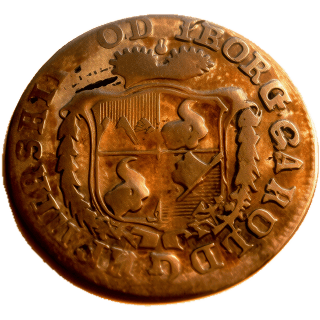 Obverse
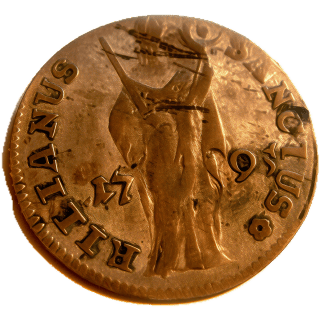 Reverse

ScanMyCoin: AI Coin Recognition
Professional AI coin recognition and collection management platform. Identify, learn, and track your coin collection with advanced AI technology and a vast.