

Württemberg Württemberg 10 gulden, 1824-1825
Posted on: December 2, 2025
keywords: Württemberg, Württemberg 10 gulden, 1824-1825, 10 gulden, coin collecting, numismatics, Württemberg
Description:
10 gulden Württemberg 10 gulden, 1824-1825 coin from Württemberg. Design, history & value.
- Introduction: The Kingdom of Württemberg 10 gulden gold coin minted between 1824 and 1825 holds a significant place in numismatic history. This coin embodies the elegance and grandeur of the Kingdom of Württemberg's monetary system during the early 19th century.
- Historical Background: The Kingdom of Württemberg, located in southwestern Germany, issued this 10 gulden coin during the reign of King Wilhelm I. These coins were part of the efforts to standardize the currency system in the kingdom and reflect its economic stability and prosperity during that period.
- Design Features: The obverse of the coin features the inscription "WILHELM KOENIG V WÜRTTEMB," depicting a portrait of King Wilhelm I. The reverse showcases the denomination "ZEHN GULDEN" within a decorative border, highlighting the monetary value of the coin.
- Technical Specifications: This gold coin weighs 6.68 grams and has a gold fineness of 0.903, indicating its high gold content. With a diameter and thickness typical of coins of that era, this coin exudes a sense of craftsmanship and precision.
- Collectible Value: The Kingdom of Württemberg 10 gulden gold coin is highly sought after by collectors due to its historical significance and limited mintage. Its rarity and the intricate design make it a prized possession for numismatists worldwide. The market value of these coins can vary based on factors such as condition, demand, and historical importance.
- Conclusion: In conclusion, the Kingdom of Württemberg 10 gulden gold coin from 1824-1825 represents a fascinating blend of history, artistry, and numismatic value. Whether as a collector's item or a historical artifact, this coin stands as a testament to the rich numismatic heritage of the Kingdom of Württemberg and the artistry of coin minting during the early 19th century.
Coin Images
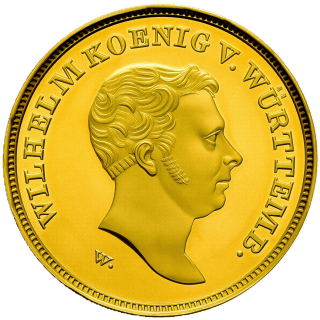 Obverse
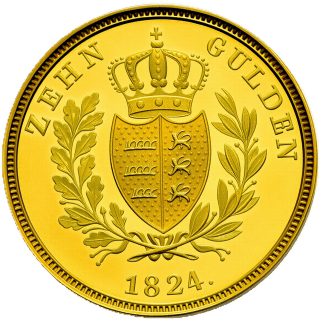 Reverse

ScanMyCoin: AI Coin Recognition
Professional AI coin recognition and collection management platform. Identify, learn, and track your coin collection with advanced AI technology and a vast.