

Wied-Runkel Wied-Runkel ¼ stüber, 1751-1758
Description:
¼ stüber Wied-Runkel ¼ stüber, 1751-1758 coin from Wied-Runkel. Design, history & value.
1. Introduction
The Wied-Runkel ¼ stüber coin, minted between 1751 and 1758, holds significant historical value as a part of the copper coinage of the County of Wied-Runkel. This coin stands as a testament to the numismatic history of the region, showcasing unique design elements that captivate collectors and enthusiasts alike.
2. Historical Background
The County of Wied-Runkel, located in present-day Germany, issued its own coinage during the mid-18th century. The ¼ stüber denomination was a fractional unit used in daily transactions, reflecting the economic and monetary system of the time. These coins circulated within the region, facilitating trade and commerce.
3. Design Features
The obverse of the Wied-Runkel ¼ stüber coin features the initials "GW" as a representation of the issuing authority. On the reverse, the denomination "1/4 STVBER" is prominently displayed. The simplicity and clarity of the designs make these coins easily recognizable and add to their charm.
4. Technical Specifications
This copper coin weighs 2.70 grams and has a diameter of 21.80mm. The composition of copper gives it a distinctive appearance and durability that has allowed some specimens to survive to the present day in relatively good condition.
5. Collectible Value
The Wied-Runkel ¼ stüber coin holds both historical and collectible significance. Its limited mintage period and the historical context surrounding its issuance contribute to its rarity. Collectors value these coins for their connection to a specific time and place in history, making them sought after in numismatic circles.
6. Conclusion
In conclusion, the Wied-Runkel ¼ stüber coin from the years 1751 to 1758 represents a fascinating piece of numismatic history. Its unique design, historical significance, and collectible value make it a prized addition to any coin collection. By owning a piece of this coinage, collectors can hold a tangible link to the past and appreciate the artistry and craftsmanship of a bygone era.
Coin Images
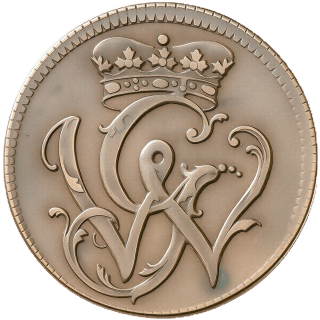 Obverse
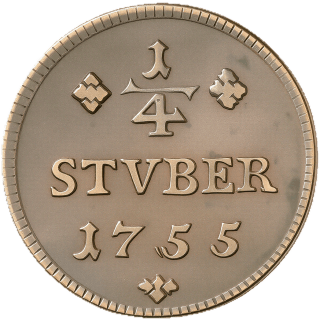 Reverse

ScanMyCoin: AI Coin Recognition
Professional AI coin recognition and collection management platform. Identify, learn, and track your coin collection with advanced AI technology and a vast.