

Westphalia Westphalia ⅔ thaler, 1808-1810
Description:
⅔ thaler Westphalia ⅔ thaler, 1808-1810 coin from Westphalia. Design, history & value.
Introduction
The Westphalia ⅔ thaler, minted between 1808 and 1810, stands as a testament to the intriguing numismatic history of the region. This silver coin bears the name "HIERONYMUS NAPOLEON" on the obverse, paying homage to the ruler of Westphalia during this period.
Historical Background
Westphalia, under the reign of Hieronymus Napoleon, introduced the ⅔ thaler denomination to facilitate trade and commerce within the region. This coin played a vital role in the economic landscape of Westphalia during the early 19th century.
Coin Images
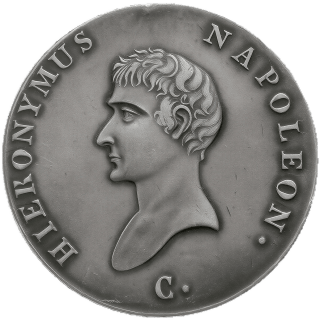 Obverse
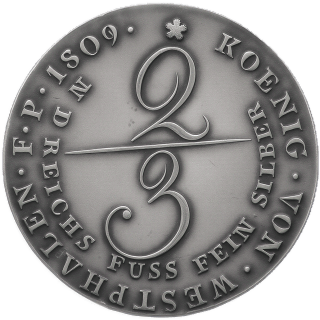 Reverse
Design Features
The obverse of the coin features the inscription "HIERONYMUS NAPOLEON," honoring the ruler. The reverse showcases the denomination "2/3," along with the text "FEIN SILBER / KOENIG VON WESTPHALEN F P / N D REICHS FUSS," emphasizing the silver content and the monarch's authority.
Technical Specifications
This silver coin weighs 13.80g and has a diameter of 32.00mm. With a silver composition of 0.993, the Westphalia ⅔ thaler exemplifies the quality and craftsmanship of the minting process during that era.
Collectible Value
The Westphalia ⅔ thaler, with its limited mintage and historical significance, holds a significant place in numismatic collections. Collectors value this coin for its rarity, historical context, and aesthetic appeal. Its market value reflects the demand among numismatists for pieces from the Westphalian era.
Conclusion
In conclusion, the Westphalia ⅔ thaler from 1808-1810 represents a unique blend of history, artistry, and numismatic value. This coin not only serves as a tangible link to Westphalia's past but also stands as a prized possession for collectors passionate about rare and historical currency. By delving into the intricacies of the Westphalia ⅔ thaler, collectors and enthusiasts alike can appreciate the craftsmanship and historical narrative encapsulated within this rare silver coin.

ScanMyCoin: AI Coin Recognition
Professional AI coin recognition and collection management platform. Identify, learn, and track your coin collection with advanced AI technology and a vast.