
Waldeck Waldeck 2 pfennig, 1730
Description:
2 pfennig Waldeck 2 pfennig, 1730 coin from Waldeck. Design, history & value.
Introduction
The Waldeck 2 pfennig coin from 1730 holds a significant place in numismatic history, representing the Principality of Waldeck during the 18th century. With its intricate designs and historical importance, this copper coin appeals to both collectors and enthusiasts of European coinage.
Historical Background
Issued by the principality of Waldeck, located in present-day Germany, this 2 pfennig coin was part of the region's monetary system during the early 18th century. The coinage of Waldeck reflects the principality's economic activities and political developments during that era, making it a valuable piece of history for numismatists.
Coin Images
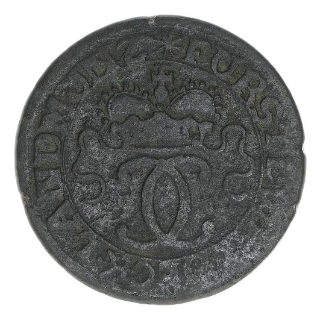 Obverse
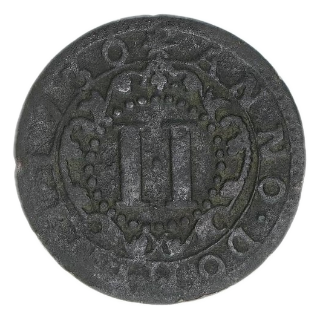 Reverse
Design Features
The obverse of the coin features the inscription "CC / FURSTL WALDECK / LANDMUNTZ," denoting the ruling authority and the mint of Waldeck. On the reverse side, the coin displays "ANNO DOMINI / II," indicating the year of minting and the denomination of 2 pfennig. The simplicity and elegance of the design make this coin a standout piece in any collection.
Technical Specifications
This 2 pfennig coin from Waldeck is made of copper, a common material for small denominations in the 18th century. The coin has a standard size and weight typical of similar European coins of that period, adding to its authenticity and historical value.
Collectible Value
Due to its age, historical significance, and limited mintage, the Waldeck 2 pfennig coin from 1730 is a sought-after item among coin collectors. Its rarity and unique design elements contribute to its collectible value, with prices varying based on the coin's condition and market demand. Serious collectors often value this coin for its connection to the Principality of Waldeck and the broader European numismatic landscape.
Conclusion
In conclusion, the Waldeck 2 pfennig copper coin from 1730 stands as a testament to the rich history and cultural heritage of the Principality of Waldeck. Its intricate design, historical significance, and collectible value make it a prized possession for both seasoned collectors and enthusiasts of European coinage. Owning this coin not only adds a unique piece to a collection but also connects individuals to a bygone era of monetary history and regional sovereignty.

ScanMyCoin: AI Coin Recognition
Professional AI coin recognition and collection management platform. Identify, learn, and track your coin collection with advanced AI technology and a vast.