

United States 5 Dollars \"1868 Half Eagle\" Pattern; aluminum
Description:
5 Dollars \"1868 Half Eagle\" Pattern; aluminum 5 Dollars \"1868 Half Eagle\" Pattern; aluminum coin from United States. Design, history & value.
Introduction
The 1868 Half Eagle $5 coin from the United States stands out as a fascinating piece of numismatic history. Struck in aluminum, this pattern coin offers a glimpse into the design experimentation of the era and represents a significant moment in American coinage history.
Historical Background
In 1868, the United States Mint produced a series of pattern coins to test new designs and metals for potential circulation. The Half Eagle denomination, valued at $5, was a crucial part of the American currency system at the time. The aluminum composition of this particular pattern coin was a departure from the traditional gold and silver alloys used for circulating coinage.
Coin Images
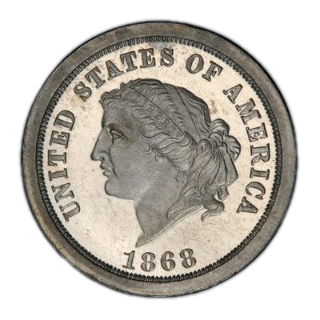 Obverse
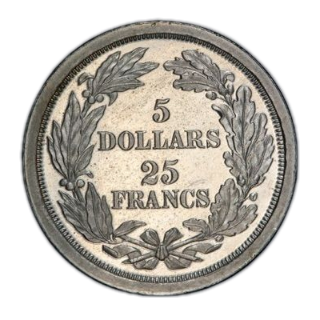 Reverse
Design Features
The obverse of the 1868 Half Eagle Pattern coin features a striking portrayal of Liberty facing left, wearing a coronet inscribed with the word "Liberty." The reverse showcases a majestic eagle with outstretched wings, clutching arrows and an olive branch, symbolizing strength and peace. These intricate designs exemplify the artistry of the period and the attention to detail in minting.
Technical Specifications
This 1868 Half Eagle Pattern $5 coin in aluminum has a diameter of 21.6mm and a weight of approximately 2.5 grams. The utilization of aluminum in coinage was an experimental choice, reflecting the Mint's exploration of alternative materials during this time.
Collectible Value
Due to its pattern status and unique composition, the 1868 Half Eagle in aluminum holds significant value among collectors. Its rarity and historical importance contribute to its appeal, making it a sought-after piece in numismatic circles. The market value of this coin can vary based on its condition and provenance, with well-preserved examples commanding higher prices at auctions and among collectors.
Conclusion
The 1868 Half Eagle Pattern $5 coin in aluminum encapsulates a pivotal moment in American coinage history. Its innovative design, use of alternative materials, and historical significance make it a prized addition to any numismatic collection. Whether for its collectible value or as a testament to the Mint's experimentation, this coin remains a cherished piece for enthusiasts and historians alike.

ScanMyCoin: AI Coin Recognition
Professional AI coin recognition and collection management platform. Identify, learn, and track your coin collection with advanced AI technology and a vast.