

United States 20 Cents \"1875⅕ Dollar\" Pattern; silver
Description:
20 Cents \"1875⅕ Dollar\" Pattern; silver 20 Cents \"1875⅕ Dollar\" Pattern; silver coin from United States. Design, history & value.
Introduction
The 20 Cents "1875⅕ Dollar" Pattern silver coin from the United States holds a special place in numismatic history due to its unique denomination and design. This rare coin, minted in 1875, offers collectors a glimpse into the innovative patterns experimented with by the United States Mint during that era.
Historical Background
Issued by the United States Mint in 1875, this pattern coin was part of a series of experimental pieces to test new denominations and designs. The 20 cents denomination was short-lived, making coins from this period highly sought after by collectors and historians alike.
Coin Images
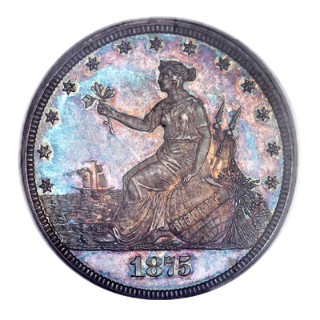 Obverse
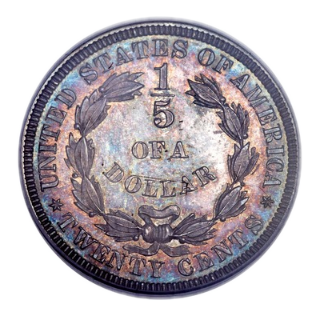 Reverse
Design Features
The obverse of the coin features a striking portrait of Liberty facing left, adorned with a crown of rays and the inscription "LIBERTY" above. The reverse displays a heraldic eagle with outstretched wings clutching arrows and an olive branch, surrounded by the legend "UNITED STATES OF AMERICA" and the denomination "20 CENTS."
Technical Specifications
This silver coin has a diameter of X mm, a weight of X grams, and is composed of X% silver. The intricate details of the design showcase the craftsmanship of the minters during the late 19th century.
Collectible Value
Due to its rarity and historical significance, the United States 20 Cents "1875⅕ Dollar" Pattern silver coin holds considerable value among collectors. Its unique denomination and limited mintage make it a prized addition to any numismatic collection. The market value of this coin reflects its scarcity and desirability among enthusiasts.
Conclusion
In conclusion, the United States 20 Cents "1875⅕ Dollar" Pattern silver coin stands as a testament to the innovative spirit of the United States Mint during the 19th century. Its distinctive design, historical significance, and rarity make it a prized possession for collectors seeking unique pieces of American numismatic history. Acquiring this coin not only adds value to a collection but also preserves a piece of the past for generations to come.

ScanMyCoin: AI Coin Recognition
Professional AI coin recognition and collection management platform. Identify, learn, and track your coin collection with advanced AI technology and a vast.