

United States 1 Dollar \"1852 Gold Dollar\" Pattern; copper-nickel
Description:
1 Dollar \"1852 Gold Dollar\" Pattern; copper-nickel 1 Dollar \"1852 Gold Dollar\" Pattern; copper-nickel coin from United States. Design, history & value.
Introduction
The 1852 Gold Dollar Pattern 1 Dollar coin holds a special place in the history of United States coinage. Struck in copper-nickel, this coin showcases intricate designs and historical significance that make it a prized possession for numismatists and collectors alike.
Historical Background
Issued by the United States Mint in 1852, this coin was part of a series of pattern coins designed to test new designs and compositions. Although not circulated for general use, these patterns provide valuable insights into the artistic and technological advancements of the era.
Coin Images
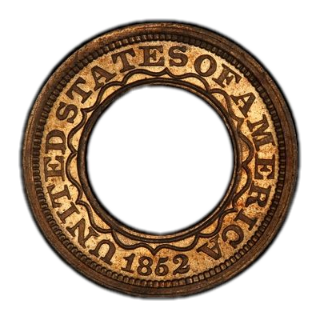 Obverse
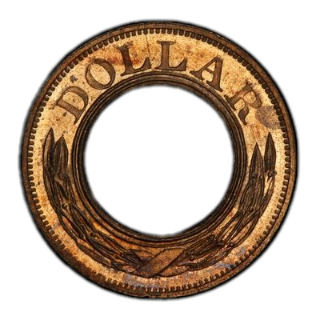 Reverse
Design Features
The obverse of the 1852 Gold Dollar Pattern coin features a captivating depiction of Lady Liberty, symbolizing freedom and prosperity. Her profile is surrounded by the inscription "United States of America" and the year "1852." On the reverse, an eagle with outstretched wings is portrayed, clutching arrows and an olive branch, symbolizing strength and peace.
Technical Specifications
This coin has a diameter of [specify diameter], a weight of [specify weight], and is composed of copper-nickel. The intricate details of the design and the quality of the strike make this coin a remarkable piece of numismatic artistry.
Collectible Value
The 1852 Gold Dollar Pattern 1 Dollar coin holds significant collectible value among numismatists. Its rarity, historical importance, and exquisite design contribute to its appeal to collectors worldwide. Due to its limited mintage and unique composition, this coin is highly sought after by those passionate about American numismatics.
Conclusion
In conclusion, the 1852 Gold Dollar Pattern 1 Dollar coin in copper-nickel is a remarkable piece of American numismatic history. Its exquisite design, historical significance, and collectible value make it a prized addition to any coin collection. Whether you are a seasoned collector or a novice enthusiast, this coin is sure to captivate you with its beauty and historical significance.

ScanMyCoin: AI Coin Recognition
Professional AI coin recognition and collection management platform. Identify, learn, and track your coin collection with advanced AI technology and a vast.