

Tyrol Tyrol 20 ducat, ND (1646)
Posted on: December 2, 2025
keywords: Tyrol, Tyrol 20 ducat, ND (1646), 20 ducat, coin collecting, numismatics, Tyrol
Description:
20 ducat Tyrol 20 ducat, ND (1646) coin from Tyrol. Design, history & value.
- Introduction: The Tyrol 20 ducat gold coin from 1646 is a remarkable piece of numismatic history that showcases the wealth and power of the Tyrolean region during the 17th century. This coin, minted under the authority of Tyrol, features intricate designs and high gold content, making it a prized possession for collectors and enthusiasts alike.
- Historical Background: During the period of 1564 to 1665, the County of Tyrol was a prominent region in the Holy Roman Empire, known for its economic prosperity and strong ties to the Habsburg dynasty. The issuance of the Tyrol 20 ducat coin in 1646 underlines the region's importance in commerce and trade during this era.
- Design Features: The obverse of the coin bears the inscription "FERDINAND CAROL D G ARCHIDVX AVST," representing Ferdinand Carol, Archduke of Austria. The reverse features the inscription "DVX BVRGVNDIÆ COMES TYROLIS," highlighting the Duke of Burgundy and Count of Tyrol. These designs symbolize the political and cultural significance of Tyrol within the Habsburg territories.
- Technical Specifications: The Tyrol 20 ducat coin is composed of 0.986 pure gold, weighing 69.61 grams. With a diameter and thickness that reflect the craftsmanship of the era, this coin is a testament to the precision and artistry of Tyrolean minting techniques.
- Collectible Value: Due to its historical significance and exquisite design, the Tyrol 20 ducat gold coin holds a high collectible value among numismatists. Its rarity and connection to Tyrolean heritage make it a sought-after item for collectors interested in European coinage from the 17th century. The market value of this coin reflects its desirability and historical importance, making it a valuable addition to any collection.
- Conclusion: In conclusion, the Tyrol 20 ducat gold coin of 1646 is a treasure trove of history and artistry, representing the splendor of Tyrolean coinage during the Renaissance period. Its intricate designs, high gold content, and historical significance make it a prized possession for collectors and enthusiasts interested in the rich heritage of Tyrol and the Habsburg territories. Acquiring this coin not only adds value to a collection but also preserves a piece of European numismatic history for generations to come.
Coin Images
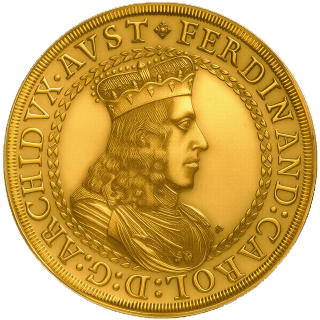 Obverse
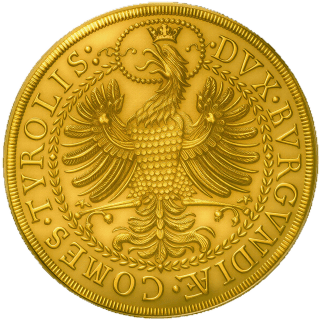 Reverse

ScanMyCoin: AI Coin Recognition
Professional AI coin recognition and collection management platform. Identify, learn, and track your coin collection with advanced AI technology and a vast.